Hungarian Space Research Draws Strong Interest at London’s Space-Comm Expo Europe

Hungarian Space Research Draws Strong Interest at London’s Space-Comm Expo Europe

Hungarian space research and technology attracted significant interest at Space-Comm Expo Europe in London, one of Europe’s leading events for the space research and space industry sector. The Hungarian stand – featuring astronauts, plants engineered for space and Hungarian-developed radiation measurement technologies – became one of the most popular at the conference.

Researchers from the HUN-REN Hungarian Research Network, together with astronauts representing the HUNOR programme, presented Hungary’s latest space research results and experiments conducted aboard the International Space Station (ISS) as part of the HUNOR programme, as well as their potential applications for industry and the economy. The delegation was led by Zsolt Szalay, Vice-President for Engineering and Natural Sciences at HUN-REN.

The stand attracted strong interest from the more than 5,000 professionals attending the event, including researchers, industry representatives and government stakeholders. Visitors also had the opportunity to meet the Hungarian research astronaut of the Axiom-4 mission, Tibor Kapu in person, as well as Gyula Cserényi, the backup astronaut selected for the mission.

Hungary’s presence was further highlighted by Tibor Kapu’s keynote presentation on the Axiom-4 mission and its scientific experiments carried out as part of the HUNOR programme. He later joined a panel discussion with British astronaut Tim Peake, strategic adviser to Axiom Space, and Zsolt Szalay. During the discussion, the astronauts stressed that human-led space missions remain essential even in an era of rapidly advancing robotics.

Panel discussion moderated by the Hungarian Ambassador to the United Kingdom, Ferenc Kumin, with British astronaut Tim Peake, strategic adviser to Axiom Space, Hungarian astronaut, Tibor Kapu, and Zsolt Szalay, Vice-President for Engineering and Natural Sciences at HUN-REN, during the Space-Comm Expo Europe event in London. Credit: HUN-REN Communications.

According to Zsolt Szalay, the fast-growing global space industry offers significant opportunities even for smaller countries to gain a competitive advantage by focusing on carefully selected strategic areas.

Within the HUN-REN network, space-related research is currently conducted in eight institutes by around two dozen research groups and nearly 160 researchers. Four institutes represented this community at the exhibition, demonstrating the strength of coordinated cooperation across disciplines and institutions.

“Our comprehensive space research programme, launched last month, aims to strengthen collaboration between research groups and better connect Hungarian research with leading international partners from both science and industry,” said Zsolt Szalay. “During the two-day event we received numerous enquiries from leading global companies, and discussions on potential collaborations will continue in the coming weeks.”

Tibor Kapu, Gyula Cserényi, Zsolt Szalay and Dr Balázs Nagy R&D Director of HUNOR (the Hungarian Space Programme) also participated in a panel discussion at the Hungarian Embassy in London on 5 March. ‘Proven in Orbit: Implementing Scientific Experiments on the International Space Station’ was hosted by the Hungarian Ambassador His Excellency Ferenc Kumin, Phd. The discussion, which was moderated by Europlanet Research Infrastructure Coordinator, Nigel Mason, provided practical insights into building national space capability and fostering international partnerships, offering relevant lessons for both emerging and established space nations. 

Hungarian space research has achieved internationally recognised success in radiation measurement and dosimetry. The PILLE dosimeter first flew in space in the 1970s and has been standard equipment aboard the International Space Station since 2003. It remains the only device capable of measuring the additional radiation dose astronauts receive during spacewalks.

Hungarian researchers have also made significant advances in small satellite development and space weather research. The country’s scientific infrastructure – including the Zero Magnetic Laboratory near Sopron and the accelerator facilities of the Institute for Nuclear Research in Debrecen capable of simulating solar wind – also provides internationally competitive research capabilities.

Hungary and the HUN-REN Hungarian Research Network aim to play an increasingly active role in international scientific and industrial collaborations, including programmes of ESA and NASA. The strong interest generated at Space-Comm Expo Europe confirmed that presenting Hungary’s space research capabilities in an integrated way can open the door to new international partnerships.

HUN-REN and Europlanet

HUN-REN Atomki Institute for Nuclear Research in Debrecen is an organisational member of Europlanet, and the Atomki-Queen’s University Ice Laboratory for Astrochemistry (AQUILA) facility is available for short research visits through Europlanet’s Transnational Access programme.

Image Gallery

The HUN-REN stand, astronaut ‘meet and greet’ with Tibor Kapu and Gyula Cserényi, and panel discussion with Ferenc Kumin, British astronaut Tim Peake, Hungarian astronaut, Tibor Kapu, and Zsolt Szalay, Vice-President for Engineering and Natural Sciences at HUN-REN.

Mauve – ‘First light’ From the First Commercial Space Science Satellite Heralds a New Era for Astronomical Data

Mauve – ‘First light’ From the First Commercial Space Science Satellite Heralds a New Era for Astronomical Data

Blue Skies Space has successfully achieved ‘first light’ with Mauve, beginning a new era in astronomical data delivery from small, rapidly built space telescopes. It marks the first time that a commercial space science satellite has successfully launched and sent back data to astronomers about our universe.

Mauve will study stars in the ultraviolet and visible light, enabling a greater understanding of their magnetic activity, powerful flares, and their impact on the habitability of exoplanets.

The satellite carries a 13 cm telescope and is designed to deliver spectrophotometric observations across the 200-700 nm range. Following launch on 28 November 2025, contact with the satellite was established, and commissioning activities were initiated. All spacecraft subsystems and the payload instruments have been powered on and are operational.

As part of early commissioning, Mauve was pointed at its first calibration target, eta Ursae Majoris (eta UMa), a bright star in the constellation Ursa Major, approximately 104 light-years from Earth, for a 5-second observation. Eta UMa is a hot, blue-white star, much hotter than our Sun. Eta UMa shines brightly in ultraviolet light, making it an ideal calibration target for a UV observatory like Mauve.

“Achieving first light with Mauve is a fantastic milestone. It’s great to see Mauve perform brilliantly in orbit. Full instrument performance will be established over the coming weeks as we continue calibration and observe progressively fainter targets,” said Ian Stotesbury, Lead Systems Engineer at Blue Skies Space.

Mauve ‘first light’. Pink: Spectrum of eta UMa acquired in a single capture by Mauve on 9 February 2026 with a 5s integration time. Blue: Hubble Space Telescope STIS spectra of the same star recorded by three grisms. (C) Blue Skies Space.

Dr Arianna Saba, Science Performance Analyst at Blue Skies Space, commented: “We selected eta UMa, a well-observed B-type star, to capture ‘first light’. Eta UMa exhibits a strong ultraviolet continuum and a pronounced Balmer jump, caused by the absorption of hydrogen atoms in the outer layers of the star’s atmosphere. This is a perfect star to start calibrating Mauve’s instrument.”

The science programme for the first year of operations is described here. Scientists interested in acquiring access to Mauve’s data are invited to contact Blue Skies Space.

—ENDS—

Image of eta UMa generated using ESA Sky:

Image of eta UMa generated using ESA Sky. Credit: ESA/DSS2 (Digitised Sky Survey).

About Mauve

Mauve, Blue Skies Space’s first satellite, was launched on 28 November 2025 aboard SpaceX’s Transporter-15 on a three-year mission to measure the activity of nearby stars, helping scientists understand the impact of powerful stellar flares on exoplanets and the prospects of harbouring life.

Mauve is a small satellite operating in a low-Earth orbit, equipped with a 13 cm telescope to observe stars in the ultraviolet and visible wavelengths (200-700 nm).

Mauve was built by a consortium of European companies and launched within 3 years of conception, a fast timeline for science satellites. C3S LLC (Hungary) is the spacecraft’s prime and platform provider, with ISISPACE (Netherlands) providing the pointing solution. The telescope, supplied by MediaLario (Italy), is connected via optical fibres from CeramOptec (Latvia) to spectrometers provided by Avantes (Netherlands).

Wavelength Coverage200 – 700 nm (UV – Visible)
Telescope13 cm Cassegrain
Spectral Resolution10.5 nm (R= 20-65)
DetectorCMOS Linear Array
Mass18.6 kg
OrbitLEO 10:30 LTDN, 510 km

Mauve’s data is made available to participating researchers through a three-year science programme, with those who sign up early being able to lead and shape the observational programme each year. Mauve’s current research priorities are:

  • Stellar flares: Some of the coolest stars are subject to large explosions (flares) that produce high-energy emissions, occasionally outshining the star itself. Studying these events helps scientists understand how magnetic fields accumulate and release large amounts of energy, and understand similar events produced by our Sun.
  • Young exoplanet hosts: Young stars with planets still taking shape around them reveal the early stages of planetary evolution. By studying these systems, scientists trace how planets grow, migrate, and settle into their mature orbits — offering clues to the history of our own Solar System.
  • Hot stars: Hot stars emit abundant ultraviolet radiation, and Mauve will study both the youngest ones, surrounded by clouds of gas and dust, and some of the older ones, rapidly rotating and shedding material into surrounding disks of gas, affecting their evolution.
  • Binary stars: Systems where two stars orbit one another are vital for testing theories of gravity, stellar mass, and evolution. Because their mutual orbits can be measured precisely, binaries offer the most accurate way to determine stellar masses, anchoring models of how all stars live and die.

Research institutions worldwide have already secured subscriptions to access data collected by Mauve. These include Boston University, Columbia University, INAF’s Osservatorio Astrofisico di Arcetri, Konkoly Observatory, Kyoto University, National Astronomical Observatory of Japan, Maynooth University, Rice University, Vanderbilt University, and Western University. 

Learn more about the programme for the first year of operations: https://arxiv.org/abs/2512.16675

Request access to the Mauve Payload Simulator that models the instrument’s performance for specific targets: https://bssl.space/mauve/payload-simulator-access-form/

Learn more about Mauve: https://bssl.space/mauve/

Media available at: https://bssl.space/mauve/media-kit/

The project has received funding from the European Union’s Horizon Europe research and innovation programme under grant agreement No. 101082738 and was supported by the UK Research and Innovation (UKRI)’s Horizon Europe Guarantee Scheme.

About Blue Skies Space

Blue Skies Space is a company pioneering a new model to deliver high-quality space science data in accelerated timescales to the global scientific community, helping them to answer humanity’s greatest scientific questions. Through a fleet of low-Earth orbit satellites, the company aims to serve the global demand for high-quality science data across many research areas, including the monitoring of stars, understanding what the atmospheres of faraway exoplanets are made of, as well as the composition of asteroids in our Solar System.

With offices in the UK and Italy, Blue Skies Space has assembled an experienced team that has previously worked at organisations such as NASA, Airbus, Surrey Satellite Technology, Caltech and UCL, bringing a wealth of expertise in space science, satellite engineering, satellite construction and operations.

Learn more about Blue Skies Space: https://bssl.space/

Find out more about Mauve in the latest issue of the Europlanet Magazine.

Tiny Enceladus Exercises Giant Electromagnetic Influence at Saturn

Tiny Enceladus Exercises Giant Electromagnetic Influence at Saturn

Europlanet Press Release – For Immediate Release

Enceladus, a tiny moon of Saturn, trails a wake of electromagnetic ripples that extends over half a million kilometres.

A major study by an international team of researchers using data from the NASA/ESA/ASI Cassini spacecraft has revealed a lattice-like structure of crisscrossing reflected waves that flow downstream behind the moon in Saturn’s equatorial plane, but also reach up to very high northern and southern latitudes. The analysis of data from four instruments aboard Cassini, collected over the mission’s 13-year duration, demonstrates the crucial role that Enceladus plays in circulating energy and momentum around Saturn’s space environment.

Plumes of water vapour and dust stream through cracks in the icy surface of the southern hemisphere of Enceladus. The water molecules and particles from these geysers become ionised when exposed to radiation, creating an electrically-charged plasma that interacts with Saturn’s magnetic field as it sweeps past Enceladus.

“Enceladus, Saturn’s small icy moon, is famous for its water geysers, but its actual impact and interaction with the giant planet has remained partly unknown. This result from Cassini transforms our vision of the moon’s role in the Saturnian system,” said Lina Hadid of the Laboratoire de Physique de Plasmas (LPP) in France, who led the study. 

The study, published in the Journal of Geophysical Research: Space Physics, shows how wave structures, known as ‘Alfvén wings’, travel like vibrations on a string along magnetic field lines connecting Enceladus to Saturn’s pole. The initial ‘main’ Alfvén wing is reflected back-and-forth both by Saturn’s ionosphere and the plasma torus that encircles Enceladus’s orbit, resulting complex and structured system. By using a multi-instrumental approach, researchers were able to show that the influence of Enceladus extends over a record distance of over 504,000 km – more than 2,000 times the moon’s radius.

“This is the first time such an extensive electromagnetic reach by Enceladus has been observed, proving that this small moon acts as a giant planetary-scale Alfvén wave generator,” said Thomas Chust of LPP, co-author of the study. “This work sets the stage for future studies of other systems, such as the icy moons of Jupiter or exoplanets, by showing that a small moon with an electrically-conducting atmosphere can influence its host over vast distances on the scale of the giant planet itself.”

The researchers examined archive data from the suite of instruments carried by Cassini to study electromagnetic wave and particle interactions, looking for flyby and non-flyby paths near Enceladus that showed evidence of magnetic connections between the moon and Saturn. On 36 occasions, they found signatures related to Alfvén waves, including at much further distances than they originally anticipated.

As well as the large-scale structures, the team found evidence that turbulence teases out the waves into filaments within the main Alfvén wing. This fine-scale structure helps the waves bounce off Enceladus’s plasma torus and reach the high-latitudes in Saturn’s ionosphere where auroral features associated with the moon form.

“These results highlight the importance for future missions to Enceladus, such as the planned ESA orbiter and lander in the 2040s, to carry instrumentation that can study these electromagnetic interactions in even more detail,” said Hadid.

The study was led by LPP in collaboration with researchers from French laboratories including IRAP, ISAE-SUPAERO, LATMOS, LAM, and LIRA/Observatoire de Paris. International institutions participating in the study included ESA, IRFU in Sweden, MPS in Germany, CAS in the Czech Republic, Johns Hopkins APL, UCLA, the Universities of Michigan, Boston, and Iowa in the United States, DIAS in Ireland, MSSL/UCL, and Imperial College London in the United Kingdom. The CDPP/AMDA tool used in the study was supported through the Europlanet 2024 Research Infrastructure project with funding from the European Commission.

Publication

Hadid, L. Z., Chust, T., Wahlund, J.‐E., Morooka, M. W., Roussos, E., Witasse, O., et al. (2026). Evidence of an extended Alfvén wing system at Enceladus: Cassini’s multi‐instrument observations. Journal of Geophysical Research: Space Physics, 131, e2025JA034657. https://doi.org/10.1029/2025JA034657

Images and Animation

Animation Caption: Animation of the electrodynamic interaction between Enceladus and Saturn. The primary Alfvén wing is shown in blue, and the reflected Alfvén wings in magenta. The arrow indicates the corotation direction of the Enceladus plasma torus. Relative sizes of Saturn and Enceladus are not to scale. Design & Animation: Fabrice Etifier – École Polytechnique.

https://nas-qnap.polytechnique.fr:35843/share.cgi?ssid=07TpZMT&ep=&fid=07TpZMT&open=normal

Image Caption: Illustration of the electrodynamic interaction between Enceladus and Saturn. The primary Alfvén wing is shown in blue, and the reflected Alfvén wings in magenta. The arrow indicates the corotation direction of the Enceladus plasma torus. Relative sizes of Saturn and Enceladus are not to scale. Design & Animation: Fabrice Etifier – École Polytechnique.

https://www.europlanet.org/wp-content/uploads/2026/02/capture-saturne-encelade.jpg

Image Caption: Plumes of water vapour and dust stream through cracks in the icy surface of the southern hemisphere of Enceladus. The water molecules and particles from these geysers become ionised when exposed to radiation, creating an electrically-charged plasma that interacts with Saturn’s magnetic field as it sweeps past Enceladus. Credit: NASA/JPL/Space Science Institute.

https://www.europlanet.org/wp-content/uploads/2025/09/4852_PIA11688.jpg

Science Contacts

Lina Hadid
Laboratoire de Physique de Plasmas (LPP)
France
lina.hadid@lpp.polytechnique.fr

Thomas Chust
Laboratoire de Physique de Plasmas (LPP)
France
thomas.chust@lpp.polytechnique.fr

Media Contact

Anita Heward
Europlanet
aheward@europlanet.org
+44 7756 034243

Notes for Editors

Europlanet (europlanet.org) is a non-profit association and membership organisation that provides the planetary science community with access to research infrastructure, services and training. The Europlanet Association Sans But Lucratif (AISBL), established in 2023, builds on the heritage of a series of projects funded by the European Commission between 2005 and 2024 (Grant Numbers 871149, 654208, 228319 and RICA-CT-2004-001637) to support the planetary science community in Europe and around the world. 

Blue Skies Space Launches Satellite to Study the Hidden Lives of Stars

Blue Skies Space Launches Satellite to Study the Hidden Lives of Stars

Blue Skies Space, a UK-space science data company, has successfully launched its first satellite, Mauve, marking the start of a three-year mission to study the stars and how their activity influences the habitability of distant exoplanets.

The satellite was launched aboard SpaceX’s Transporter-15 on 28 November 2025 at 18:45 GMT. This marks a major milestone for the company and the beginning of its mission to deliver science data from space in a fast and cost-effective way.

Research institutions worldwide have already secured subscriptions to access data collected by Mauve. These include Boston University, Columbia University, INAF’s Osservatorio Astrofisico di Arcetri, Konkoly Observatory, Kyoto University, National Astronomical Observatory of Japan, Maynooth University, Rice University, Vanderbilt University, and Western University. 

“Mauve will open a new window on stellar activity that has previously been largely hidden from view,” said Professor Giovanna Tinetti, Chief Scientist and Co-founder of Blue Skies Space. “By observing stars in ultraviolet light, wavelengths that can’t be studied from Earth, we’ll gain a much deeper understanding of how stars behave and how their flares may impact the environment of orbiting exoplanets. Traditional ground-based telescopes just can’t capture this information, so a satellite like Mauve is crucial for furthering our knowledge.”

“Our vision is to make space science data as accessible as possible,” said Dr Marcell Tessenyi, CEO and co-founder of Blue Skies Space. “Mauve will undergo commissioning before delivering datasets to scientists in early 2026 and serve as a springboard to launch a fleet of satellites addressing the global demand for space science data.”

About Mauve

Mauve, Blue Skies Space’s first satellite, will measure the activity of nearby stars, helping scientists understand the impact of powerful stellar flares on exoplanets and the prospects of harbouring life. Mauve is a small satellite that will operate in low-Earth orbit, equipped with a 13 cm telescope to observe stars in the ultraviolet and visible wavelengths (200-700 nm).

Mauve was built by a consortium of European companies and launched within 3 years of conception, a fast timeline for science satellites. C3S LLC, based in Hungary, is the spacecraft’s prime and platform provider, with ISISPACE of the Netherlands providing the pointing solution.

Wavelength Coverage200 – 700 nm (UV – Visible)
Telescope13 cm Cassegrain
Spectral Resolution10.5 nm (max R=65)
DetectorCMOS Linear Array
Mass18.6 kg
OrbitLEO 10:30 LTAN, 500 km

Mauve’s data is made available to participating researchers through a three-year science programme, with those who sign up early being able to lead and shape the observational programme each year. Mauve’s current research priorities are:

  • Stellar flares: Some of the coolest stars are subject to large explosions (flares) that produce high-energy emissions, occasionally outshining the star itself. Studying these events helps scientists understand how magnetic fields accumulate and release large amounts of energy, and understand similar events produced by our Sun.
  • Young exoplanet hosts: Young stars with planets still taking shape around them reveal the early stages of planetary evolution. By studying these systems, scientists trace how planets grow, migrate, and settle into their mature orbits — offering clues to the history of our own Solar System.
  • Hot stars: Hot stars emit abundant ultraviolet radiation, and Mauve will study both the youngest ones, surrounded by clouds of gas and dust, and some of the older ones, rapidly rotating and shedding material into surrounding disks of gas, affecting their evolution.
  • Binary stars: Systems where two stars orbit one another are vital for testing theories of gravity, stellar mass, and evolution. Because their mutual orbits can be measured precisely, binaries offer the most accurate way to determine stellar masses, anchoring models of how all stars live and die.

Learn more about Mauve: https://bssl.space/mauve/

Media available at: https://bssl.space/mauve/resources/

The project has received funding from the European Union’s Horizon Europe research and innovation programme under grant agreement No. 101082738 and is supported by the UK Research and Innovation (UKRI)’s Horizon Europe Guarantee Scheme.

About Blue Skies Space

Blue Skies Space is a company pioneering a new model to deliver high-quality space science data in accelerated timescales to the global scientific community, helping them to answer humanity’s greatest scientific questions. Through a fleet of low-Earth orbit satellites, the company aims to serve the global demand for high-quality science data across many research areas, including the monitoring of stars, understanding what the atmospheres of faraway exoplanets are made of, as well as the composition of asteroids in our Solar System.

With offices in the UK and Italy, Blue Skies Space has assembled an experienced team that has previously worked at organisations such as NASA, Airbus, Surrey Satellite Technology, Caltech and UCL, bringing a wealth of expertise in space science, satellite engineering, satellite construction and operations.

Learn more about Blue Skies Space: https://bssl.space/

Find out more about Mauve in the latest issue of the Europlanet Magazine.

Europlanet Evaluation Shows Networking and Collaboration Pave the Way to High Impact Science: Case Study Featured in Nature Astronomy

Europlanet Evaluation Shows Networking and Collaboration Pave the Way to High Impact Science: Case Study Featured in Nature Astronomy

Evaluation of the impact of the most recent €10-million Europlanet project funded by the European Commission (EC) has been featured as a case study in the journal Nature Astronomy, published today. 

The Europlanet 2024 Research Infrastructure (RI) project, which ran between 1 February 2020 and 31 July 2024, provided access to the world’s largest coordinated collection of planetary simulation and analysis facilities, virtual access to data services and tools, funding for upgrades to facilities and programmes, and a range of activities to support the community though networking, training, professional development and access to a telescope network. The project, which involved over 50 partners, was one of the most complex distributed research infrastructures ever funded by the EC. 

From proposal stage, an Impact Evaluation Officer – the social scientist Jen DeWitt – was recruited and embedded in the project to delve into and document its results, outcomes and longer-term impacts.

Lonneke Roelofs from the Netherlands visited the Mars Chamber at the Open University, UK, through the Europlanet 2024 RI Transnational Access Programme. Credit: L Roelofs.

The comment piece in Nature Astronomy highlights how having robust evaluation built into a project from the beginning leads to high-impact science and an outwards looking ethos that benefits the whole planetary community. Key findings from the evaluation also show that the networking and personal contacts associated with participation in the project’s activities, particularly the Transnational Access visits to laboratories and field sites, lead to better science, new avenues of research and long-lasting collaborations that would not have otherwise occurred.

“It’s never a straightforward pipeline between funding going in and good science coming out. Many things happen in the middle, and it’s important to understand what those factors are and how they affect the quality and longer-term impacts of the science itself, as well as the researchers doing the work and the wider communities around them,” explained DeWitt. “For students and early-career researchers starting out, these impacts are particularly important as they provide opportunities that would otherwise not be available to them and accelerate their careers.”

The evaluation of Europlanet 2024 RI was structured around five impact areas defined in the Organisation for Economic Co-operation and Development (OECD) reference framework for evaluating research infrastructures, including scientific, technological, training and education, economic and societal impacts. Together with the project management team and activity leads, DeWitt defined key performance indicators that were mapped onto strategic objectives within the impact areas, and these were regularly reviewed, refined and updated over the course of the project. As well as quantitative metrics, like numbers of users and publications, DeWitt also gathered qualitative feedback through open-ended questions in surveys and via interviews.

Europlanet 2024 RI networking workshop. Credit: A Fratti.

Nigel Mason, the Coordinator of Europlanet 2024 RI and its predecessor RI project said: “This project was the last in a series that have received €28 million funding over 20 years from the EC. Although we had collected the metrics required by the EC for all past projects, this time, we wanted a more in-depth understanding of the results and outcomes, in both the short and longer term. To do that, we needed to bring in someone with the right expertise to work with us right from the start. 

“Having a dedicated evaluator who had the time and expertise to gather more in-depth feedback meant that we could see how interactions with users developed over time and how the different strands of the project came together and functioned as a whole to support the community.”

The evaluation – and the management of the project itself – was complicated by the world events of 2020-24, including the pandemic, wars in Ukraine and Ethiopia, and the associated financial and societal challenges. Many activities required temporary or permanent adaptations in response to lockdowns, travel restrictions, health issues and personnel changes. Some barriers to impact remained, particularly with respect to widening participation from parts of the community that are under-represented in planetary science, where face-to-face participation and hosting events locally have been shown to be particularly important.

Nonetheless, the evaluation showed impact in all areas monitored, particularly with respect to scientific and training. The project has resulted in over 250 publications and conference presentations to date, and the mentoring, expert exchanges, training programmes and summer schools were all highlighted as being particularly important for early careers and researchers from under-represented countries during the pandemic. Over 90% of Transnational Access visits have resulted in ongoing research collaborations, and two thirds of participants reported that they followed up new avenues of research as a result of their visit. 

Understanding what did and did not work for users and how both users and project partners benefited over time were key to delivering a successful project and defining what should come next.  

“This evaluation is not just important in explaining to the European Commission – and the public taxpayers – about how their money has been spent and why the results have been beneficial to science and society. It has also had a vital practical use in helping us to identify where we should prioritise limited resources going forwards,” said Europlanet Vice-President, Anita Heward. “Europlanet is now a self-sustaining non-profit association and, if we are to continue to support the planetary community, we need to know where Europlanet’s activities have the biggest impact and best value for money. The evaluation has helped us do this in a robust, evidence-driven way.”

The importance of collaboration and networking in delivering high-impact planetary science was a key finding, with the evaluation helping to identify exactly how and why they are important.

“These results show that the popular stereotypes of scientists as lone geniuses working in isolation are diametrically opposite to how good science happens in practice. Success in research comes through building networks, talking, listening, learning and collaborating with colleagues – especially when it happens at an international and cross-border level. When we are talking to the next generation about careers in science, or to policy makers, the strength and importance of community is something that we should highlight and be really proud of,” said DeWitt.

Public access sharing link to article.

DeWitt, J., Heward, A. & Mason, N.J. Insights into evaluating a research project through an impact case study of a pan-European research infrastructure. Nat Astron 9, 1415–1417 (2025). https://doi.org/10.1038/s41550-025-02684-7

Europlanet 2024 RI has received funding from the European Union’s Horizon 2020 research and innovation programme under grant agreement No 871149.

EPSC-DPS2025: Bringing the Digital Revolution to Direct Exoplanet Imaging with PLACID’s LCD Technology

EPSC-DPS2025: Bringing the Digital Revolution to Direct Exoplanet Imaging with PLACID’s LCD Technology 

Joint Meeting of the Europlanet Science Congress and the American Astronomical Society’s Division for Planetary Science (EPSC-DPS2025) Press Release

A game-changing instrument is set to improve the detection and direct imaging of planets outside our Solar System by harnessing the power of liquid crystals. The Programmable Liquid-crystal Active Coronagraphic Imager for the DAG telescope (PLACID) was installed earlier this year at the 4m-diameter telescope of the newly-built Eastern Anatolian Observatory (DAG) observatory in Eastern Turkey. Now in the integration and validation phase, the first on-sky observations of PLACID are expected in the first quarter of 2026. 

PLACID, which has been developed by a team of Swiss researchers from the University of Bern in cooperation with the University of Applied Sciences Western Switzerland of Yverdon (HEIG-VD), will join the small club of direct high-contrast imaging facilities in the northern hemisphere. The technology and status of the instrument, as well as the science it will enable, were presented at the recent EPSC-DPS2025 Joint Meeting in Helsinki.

Most of the nearly 6000 exoplanets discovered to date have been found using indirect methods, which focus on periodic changes of the host star’s apparent properties to infer the existence of a planet. Direct imaging requires an ‘eclipse machine’, known as a coronagraph, to mask the light of a star and reveal any body orbiting it – planets, discs, or brown dwarfs. To date, only a few dozen exoplanets have been directly imaged, as it is highly challenging to take an actual picture of a dim planet next to its very bright host star. Nonetheless, direct imaging is infinitely valuable for scientists as it can provide unique insights into how planets form and their composition, particularly their atmosphere. 

“With recent developments in technology and the construction of increasingly large telescopes, the future of exoplanet detection lies in direct imaging. PLACID is one of the stepping stones towards this future,” said Prof Jonas Kühn of the University of Bern in Switzerland, who leads the PLACID project. “It will revolutionise our approach to coronagraphs and bring them into the digital domain.”

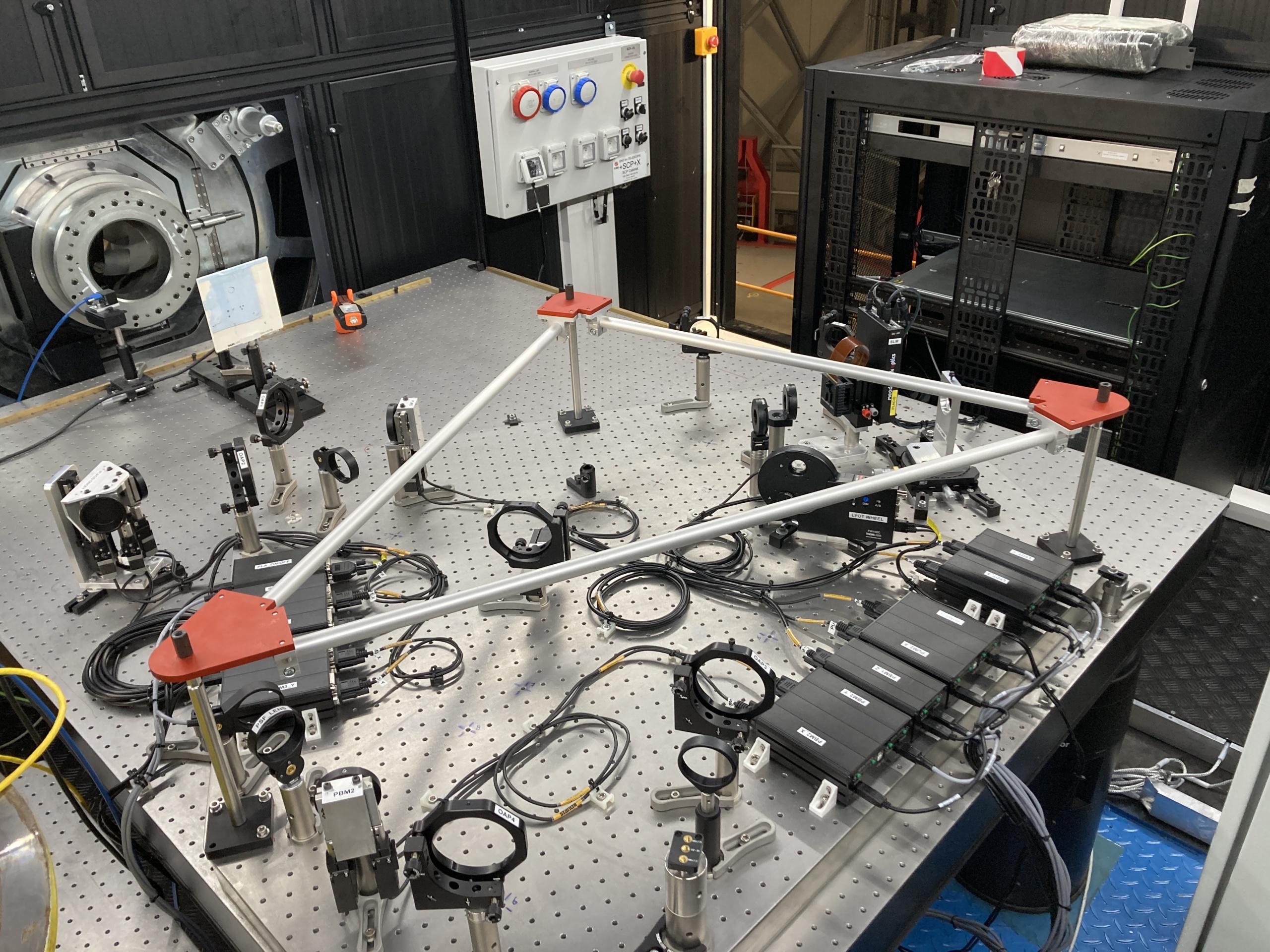
Rather than placing a physical plate very precisely in the light path of a telescope, PLACID uses a Spatial Light Modulator (SLM) that relies on the optical properties of liquid crystals to change the optical path or ‘phase’ of light waves for each pixel across a screen. This allows very complex masks to be created at the click of a button.

“We use SLM screens all the time in every-day devices, such as our phones, TVs or computers. In PLACID, the liquid crystals influence how the light passes through each pixel, so we can display any mask we want, giving us an extreme adaptability,” explained Ruben Tandon, a doctoral candidate at the University of Bern and member of the PLACID team.  

PLACID’s programming of advanced masks also gives it the exclusive capacity to do direct imaging of so-called circumbinary planets and proto-planetary discs – the cradles for planet formation – orbiting binary or multiple stars. With a traditional coronagraph, this is very challenging, since the unique and variable orbital configuration of each star system makes it almost impossible to set up plates that can block the light from the multiple stars. Thus, while such stars represent about 50% of all stars in our galaxy, no exoplanet orbiting more than one star has been directly imaged to date. 

“With PLACID, we can simply adapt the mask in real time to perfectly block the light of any star systems we choose to observe through the night,” said Tandon, who compiled the catalogue of targets for the instrument. “While we will start by targeting the small number of exoplanets that have already been directly imaged to better understand the instrument behaviour, our next step will be to try to directly image exoplanets orbiting binary stars, which will be a first.” 

The PLACID instrument, which has been almost a decade in development at the University of Bern, was assembled in the laboratory facilities of the HEIG-VD in Switzerland. After comprehensive laboratory testing to ensure it would meet the expected performances, the instrument was shipped to Turkey in early 2024 and delivered to the DAG telescope for installation in January 2025. 

“As with any novel idea, building PLACID involved some risk, but we thankfully benefitted from the support of the National Center of Competence in Research (NCCR) PlanetS and the Division of Space Research and Planetary Science of the University of Bern, who enabled us to do early validation of the technology, before the Türkiye National Observatories (TNO) awarded us the procurement contract. And later, the ERC review panel funded the science exploitation,” said Kühn. 

For the instrument performance to be fully harnessed, it also needs to be paired with an Adaptive Optics (AO) system, built by the team of Prof Laurent Jolissaint of HEIG-VD, which will reduce the effects of atmospheric turbulence. The two instruments are in their final stages of installation and will enable PLACID to observe its first targets in the first quarter of 2026.

“We are happy to welcome PLACID. Its capacities, coupled with our 4-meter class telescope, will lead to the first fully-European instrument in the northern hemisphere able to directly image exoplanets,” concluded Derya Öztürk Çetni, the PLACID instrument scientist from TNO. 

Further information

Abstract: EPSC-DPS2025-1774. The Programmable Liquid-crystal Active Coronagraphic Imager for the 4-m DAG telescope (PLACID) instrument: Discovery Space and Status. Ruben Tandon, Liurong Lin, Lucas Marquis, Axel Potier, Derya Öztürk Çetni, and Jonas G. Kühn.
https://doi.org/10.5194/epsc-dps2025-1774

The PLACID and RACE-GO projects have received funding from the Swiss State Secretariat for Education, Research, and Innovation (SERI) as a SERI-Funded ERC 2021 Consolidator Grant, project RACE-GO # M822.00084, following the discontinued participation of Switzerland to Horizon Europe. Part of this work has been carried out within the framework of the National Centre of Competence in Research PlanetS supported by the Swiss National Science Foundation under grants 51NF40 182901 and 51NF40 205606.

PLACID: https://www.space.unibe.ch/research/research_groups/laboratory_of_exoplanet_imaging_and_adaptive_optics_leiao/the_placid_exoplanet_imager/index_eng.html
www.racego.eu 
Türkiye National Observatories: https://trgozlemevleri.gov.tr/ 

Images

The PLACID instrument. Credit: University of Bern/PLACID.

https://www.europlanet.org/wp-content/uploads/2025/10/The_PLACID_Instrument_Credit_U-Bern_PLACID.jpg

Ruben Tandon and Jonas Kuehn work on the PLACID instrument. Credit: University of Bern/PLACID.

https://www.europlanet.org/wp-content/uploads/2025/10/Ruben_Tandon_and_Jonas_Kuehn_working_on_PLACID_Instrument_Credit_U-Bern_PLACID_lowres.jpeg

The PLACID Team at the DAG telescope for the installation of the PLACID instrument. Credit: University of Bern/PLACID.

https://www.europlanet.org/wp-content/uploads/2025/10/PLACID_Team_at_DAG_Credit_U-Bern_PLACID_lowres.jpeg

Installation of the PLACID Instrument. Credit: University of Bern/PLACID.

https://www.europlanet.org/wp-content/uploads/2025/10/PLACID_Installation_Credit_U-Bern_PLACID.jpg

The PLACID team oversee the installation of the instrument. Credit: University of Bern/PLACID.

https://www.europlanet.org/wp-content/uploads/2025/10/PLACID_Instrument_Lifted_into_Place_2_Credit_U-Bern_PLACID.jpg

The PLACID Instrument is lifted into place. Credit: University of Bern/PLACID.

https://www.europlanet.org/wp-content/uploads/2025/10/PLACID_Instrument_Lifted_into_Place_Credit_U-Bern_PLACID.jpg

Full resolution versions of images can be downloaded from https://www.swisstransfer.com/d/1de2090a-d758-461c-ad6e-3171f2187915 until 05 November 2025.

Contact
Ruben Tandon
PhD Candidate
Physics Institute, Space Research & Planetary Science
University of Bern
Switzerland
ruben.tandon@unibe.ch
+41316843290

Prof. Jonas Kühn
Assistant Professor
Physics Institute, Space Research & Planetary Science
University of Bern
Switzerland
 jonas.kuehn@unibe.ch
+41316844765

EPSC-DPS2025 Press Office
press@europlanet.org  

Notes for Editors

About the Joint Meeting of the Europlanet Science Congress and the Division of Planetary Sciences (EPSC-DPS)
The Europlanet Science Congress (EPSC), established in 2006 as the European Planetary Science Congress, is the largest planetary science meeting in Europe. It covers the entire range of planetary sciences, with an extensive mix of talks, workshops and poster sessions, as well as providing a unique space for networking and exchanges of experiences. 

EPSC joined forces for the first time with the American Astronomical Society’s Division for Planetary Sciences (DPS) for a joint meeting in Nantes, France, in 2011. This was followed by DPS-EPSC 2016 in Pasadena, EPSC-DPS 2019 in Geneva, and the return to the United States for the DPS-EPSC 2023 meeting in San Antonio. This year will mark the third iteration of a joint European-based meeting. The intent of the joint meetings is not only to connect the European and North American planetary science communities, but also to consolidate two major meetings and motivate planetary scientists from all over the globe to attend.

Follow on social media (BlueskyX and LinkedIn) with the hashtag #EPSCDPS2025 for updates on the meeting.

About Europlanet
Europlanet (europlanet.org) is a non-profit association and membership organisation that provides the planetary science community with access to research infrastructure, services and training. The Europlanet Association Sans But Lucratif (AISBL), established in 2023, builds on the heritage of a series of projects funded by the European Commission between 2005 and 2024 (Grant Numbers 871149, 654208, 228319 and RICA-CT-2004-001637) to support the planetary science community in Europe and around the world.
About the DPS
The Division for Planetary Sciences (DPS), founded in 1968, is the largest special-interest Division of the American Astronomical Society (AAS). Members of the DPS study the bodies of our own solar system, from planets and moons to comets and asteroids, and all other solar-system objects and processes. With the discovery that planets exist around other stars, the DPS has expanded its scope to include the study of extrasolar planetary systems as well. The American Astronomical Society (AAS), established in 1899, is the major organization of professional astronomers in North America. The mission of the AAS is to enhance and share humanity’s scientific understanding of the universe as a diverse and inclusive astronomical community, which it achieves through publishing, meeting organization, science advocacy, education and outreach, and training and professional development.

EPSC-DPS2025: Gaia Solves Mystery of Tumbling Asteroids and Finds a New Way to Probe Their Interiors

EPSC-DPS2025: Gaia Solves Mystery of Tumbling Asteroids and Finds a New Way to Probe Their Interiors

Joint Meeting of the Europlanet Science Congress and the American Astronomical Society’s Division for Planetary Science (EPSC-DPS2025) Press Release

Whether an asteroid is spinning neatly on its axis or tumbling chaotically, and how fast it is doing so, has been shown to be dependent on how frequently it has experienced collisions. The findings, presented at the recent EPSC-DPS2025 Joint Meeting in Helsinki, are based on data from the European Space Agency’s Gaia mission and provide a means of determining an asteroid’s physical properties – information that is vital for successfully deflecting asteroids on a collision course with Earth.

“By leveraging Gaia’s unique dataset, advanced modelling and A.I. tools, we’ve revealed the hidden physics shaping asteroid rotation, and opened a new window into the interiors of these ancient worlds,” said Dr Wen-Han Zhou of the University of Tokyo, who presented the results at EPSC-DPS2025.

During its survey of the entire sky, the Gaia mission produced a huge dataset of asteroid rotations based on their light curves, which describe how the light reflected by an asteroid changes over time as it rotates. When the asteroid data is plotted on a graph of the rotation period versus diameter, something startling stands out – there’s a gap, or dividing line that appears to split two distinct populations. 

Now a study led by Zhou, much of which was conducted while he was at the Observatoire de la Côte d’Azur in France, has revealed the reason for this gap – and in doing so solved some longstanding mysteries about asteroid rotation.

“We built a new model of asteroid-spin evolution that considers the tug of war between two key processes, namely collisions in the Asteroid Belt that can jolt asteroids into a tumbling state, and internal friction, which gradually smooths their spin back to a stable rotation,” said Zhou. “When these two effects balance, they create a natural dividing line in the asteroid population.”

By applying machine learning to Gaia’s asteroid catalogue and then comparing the results to their model’s prediction, Zhou’s team found that the location of the gap matched what their model predicted almost perfectly.

Below the gap are slowly tumbling asteroids with rotational periods of less than 30 hours, while above the gap are the faster ‘pure’ spinners. 

For decades, astronomers have been puzzled about why there are so many asteroids tumbling chaotically rather than spinning around a single rotational axis, and why smaller asteroids are more likely to be tumbling slowly.

Zhou’s study shows that collisions and the effects of sunlight are key. Tumbling motion usually starts when an asteroid spins slowly. Its slow rotation means that it is more easily disturbed by collisions, which can knock the asteroid into a chaotic tumble.

Ordinarily, the subtle force of sunlight would be expected to cause the asteroid to stop tumbling and spin up. The surface of an asteroid absorbs heat from the Sun and re-emits it in different directions. The emitted photons give the asteroid a tiny push, one that builds up over time, and depending on the asteroid can either speed up its rotation or slow it down. For an asteroid that is spinning smoothly on its axis, the directions in which sunlight is absorbed and re-emitted remains constant, allowing the strength of the push from sunlight to build up.

However, for tumbling asteroids the effect of sunlight is much weaker. Because they are rotating chaotically, different parts of the surface are absorbing and re-emitting heat at any given time. Rather than giving the asteroid a consistent push, the effect of absorbing and re-emitting sunlight is smoothed out, so there’s no preferred push in any direction. As a result, slowly tumbling asteroids change their spin very slowly, and become stuck in the slow-rotation zone below the gap in the observational data from Gaia.

There’s a practical usefulness to this discovery. By understanding how the rigidity of asteroids’ interior structure relates to their rotation, it’s possible to use that knowledge to infer the internal properties of the asteroids. From the Gaia data, the findings support the picture of asteroids as loosely held together rubble piles, with lots of holes and cavities blanketed in thick, dusty regolith.

Understanding the properties of asteroids also has repercussions for how to deflect a hazardous asteroid on a collision course, because a rubble pile asteroid would react to a kinetic impact like NASA’s DART differently than a solid, rigid body. Thanks to these findings, astronomers could soon have an extensive catalogue of the internal structures of potentially hazardous asteroids, which could hold the key of how to deflect them.

“With forthcoming surveys like the Vera C. Rubin Observatory’s Legacy Survey of Space and Time (LSST), we’ll be able to apply this method to millions more asteroids, refining our understanding of their evolution and make-up,” said Zhou.

Further information

EPSC-DPS2025-893 Understanding the Long-Term Rotational Evolution of Asteroids with Gaia

Wen-Han Zhou, Patrick Michel, Marco Delbo, Wenchao Wang, Bonny Y. Wang, Josef Durech and Josef Hanuš. https://doi.org/10.5194/epsc-dps2025-893

Paper: Wen-Han Zhou et al; Confined Tumbling State as the Origin of the Excess of Slowly Rotating Asteroids, Nature Astronomy9, 493–500 (2025)

Images

An illustration of two colliding asteroids. Credit: Europlanet/T Roger.

https://www.europlanet.org/wp-content/uploads/2025/09/asteroid_Collision.jpg

Gaia data.jpg

On the left is a graph based on data from Gaia, plotting asteroid rotation versus diameter. Blue dots show where each asteroid falls on the graph. There are two clusters, one dense group above and slightly to the right of a dotted dividing line, with a second more diffuse cluster below and slightly to the left. Dozens of the confirmed tumbler asteroids (shown as purple triangles) are marked in the population below the line, while only three are plotted above the line. On the right is a simulated model that very closely matches the real data.
On the left is a graph based on data from Gaia, plotting asteroid rotation versus diameter. The dividing line between tumblers and pure spinners is evidence. On the right is a simulated model that very closely matches the real data. Image credit: Wen-Han Zhou et al.
https://www.europlanet.org/wp-content/uploads/2025/09/Gaia-data.jpg

Collisions between asteroids are not uncommon: this is the aftermath of a head-on collision between asteroids as seen by the Hubble Space Telescope in 2010. Image credit: NASA/ESA/D. Jewitt (UCLA).
https://www.europlanet.org/wp-content/uploads/2025/09/Hubble_asteroid_collision.jpg

Contacts

Dr Wen-Han Zhou
The University of Tokyo
wenhan.zhou@oca.eu

EPSC-DPS2025 Press Office
press@europlanet.org 

Notes for Editors

About the Joint Meeting of the Europlanet Science Congress and the Division of Planetary Sciences (EPSC-DPS) 

The Europlanet Science Congress (EPSC), established in 2006 as the European Planetary Science Congress, is the largest planetary science meeting in Europe. It covers the entire range of planetary sciences, with an extensive mix of talks, workshops and poster sessions, as well as providing a unique space for networking and exchanges of experiences.

EPSC joined forces for the first time with the American Astronomical Society’s Division for Planetary Sciences (DPS) for a joint meeting in Nantes, France, in 2011. This was followed by DPS-EPSC 2016 in Pasadena, EPSC-DPS 2019 in Geneva, and the return to the United States for the DPS-EPSC 2023 meeting in San Antonio. This year will mark the third iteration of a joint European-based meeting. The intent of the joint meetings is not only to connect the European and North American planetary science communities, but also to consolidate two major meetings and motivate planetary scientists from all over the globe to attend.

Follow on social media (BlueskyX and LinkedIn) with the hashtag #EPSC-DPS2025 for updates on the meeting.

About Europlanet

Europlanet (europlanet.org) is a non-profit association and membership organisation that provides the planetary science community with access to research infrastructure, services and training. The Europlanet Association Sans But Lucratif (AISBL), established in 2023, builds on the heritage of a series of projects funded by the European Commission between 2005 and 2024 (Grant Numbers 871149, 654208, 228319 and RICA-CT-2004-001637) to support the planetary science community in Europe and around the world. 

About the DPS

The Division for Planetary Sciences (DPS), founded in 1968, is the largest special-interest Division of the American Astronomical Society (AAS). Members of the DPS study the bodies of our own solar system, from planets and moons to comets and asteroids, and all other solar-system objects and processes. With the discovery that planets exist around other stars, the DPS has expanded its scope to include the study of extrasolar planetary systems as well. The American Astronomical Society (AAS), established in 1899, is the major organization of professional astronomers in North America. The mission of the AAS is to enhance and share humanity’s scientific understanding of the universe as a diverse and inclusive astronomical community, which it achieves through publishing, meeting organization, science advocacy, education and outreach, and training and professional development.

EPSC-DPS2025: Tumbleweed Rover Tests Demonstrate Transformative Technology for Low-Cost Mars Exploration

Tumbleweed Rover Tests Demonstrate Transformative Technology for Low-Cost Mars Exploration 

Joint Meeting of the Europlanet Science Congress and the American Astronomical Society’s Division for Planetary Science (EPSC-DPS2025) Press Release

A swarm of spherical rovers, blown by the wind like tumbleweeds, could enable large-scale and low-cost exploration of the martian surface, according to results presented at the Joint Meeting of the Europlanet Science Congress and the Division for Planetary Sciences (EPSC-DPS) 2025. 

Recent experiments in a state-of-the-art wind tunnel and field tests in a quarry demonstrate that the rovers could be set in motion and navigate over various terrains in conditions analogous to those found on Mars. 

Tumbleweed rovers are lightweight, 5-metre-diameter spherical robots designed to harness the power of martian winds for mobility. Swarms of the rovers could spread across the Red Planet, autonomously gathering environmental data and providing an unprecedented, simultaneous view of atmospheric and surface processes from different locations on Mars. A final, stationary phase would involve collapsing the rovers into permanent measurement stations dotted around the surface of Mars, providing long-term scientific measurements and potential infrastructure for future missions.

“Recent wind-tunnel and field campaigns have been a turning point in the Tumbleweed rover’s development,” said James Kingsnorth, Head of Science at Team Tumbleweed, who presented the results at EPSC-DPS2025 in Helsinki. “We now have experimental validation that Tumbleweed rovers could indeed operate and collect scientific data on Mars.”

In July 2025, Team Tumbleweed conducted a week-long experimental campaign, supported by Europlanet, at Aarhus University’s Planetary Environment Facility. Using scaled prototypes with 30-, 40- and 50-centimetre diameters, the team carried out static and dynamic tests in a wind tunnel with a variety of wind speeds and ground surfaces under a low atmospheric pressure of 17 millibars. 

Results showed that wind speeds of 9-10 metres per second were sufficient to set the rover in motion over a range of Mars-like terrains including smooth and rough surfaces, sand, pebbles and boulder fields. Onboard instruments successfully recorded data during tumbling and the rover’s behaviour matched fluid-dynamics modelling, validating simulations. The scale-model prototypes were able to climb up a slope of 11.5 degrees in the chamber – equivalent to approximately 30 degrees on Mars – demonstrating that the rover could traverse even unfavourable slopes. 

“Experiments with the prototypes in the Aarhus Wind Tunnel have provided big insights into how Tumbleweed rovers would operate on Mars,” said Mário João Carvalho de Pinto Balsemão, Team Tumbleweed’s Mission Scientist, who led the experimental campaign. “The results are conservative, as the weights of the scaled prototypes used in the experiments are exaggerated compared to the real thing, so the threshold wind speeds for setting the rovers rolling could be even less.”

Near-surface winds on Mars are currently not well understood due to the relatively sparse data collection. While data from rovers and landers on the surface show average wind speeds are generally in single digits, wind-generated vibrations recorded by NASA’s Insight mission over more than two martian years, as well as measurements gathered during the flights of the Ingenuity helicopter, show that higher wind speeds can occur near the surface quite frequently.

“Data from Insight suggests that in Mars’s northern hemisphere during summer, daytime wind speeds are characterised by a wide distribution and are positively skewed toward higher wind speeds of around 10 metres per second, and while the nights are calmer, speeds of more 10 metres per second can sometimes be reached,” said Balsemão. “The results from Aarhus support our modelling, which shows that an average Tumbleweed rover – following the daily shifts and day-night cycles of the wind – could travel about 422 kilometres over 100 martian sols, with an average overall speed of about 0.36 kilometres per hour. In favourable conditions, the maximum range could be as much as 2,800 kilometres.” 

Back in April, a 2.7-metre-diameter rover prototype, the Tumbleweed Science Testbed, was deployed in field tests in an inactive quarry in Maastricht in the Netherlands. The rover’s modular payload bay carried a suite of off-the-shelf sensors including a camera, a magnetometer, an inertial measurement unit and a GPS. These experiments confirmed that the platform could successfully gather and process environmental data in real time while tumbling over natural terrain. 

The organisation behind the rovers, Team Tumbleweed, is an interdisciplinary group of young, entrepreneurial scientists. With main branches in Vienna in Austria and Delft in the Netherlands, Team Tumbleweed brings together people from over 20 countries. 

The next steps for the team will include integrating more sophisticated instruments into the Tumbleweed Science Testbed payload, including radiation sensors, soil probes and dust sensors, refining the rover’s dynamics models, and scaling up the platform to higher technology readiness levels (TRLs).  A further field campaign will take place in the Atacama Desert, Chile, in November, during which at least two Science Testbed rovers will carry instruments supplied by researchers from external partner organisations and will test swarm coordination strategies in Mars-like environments.

Further Information

Abstract: EPSC-DPS2025-1775. Preliminary Feasibility Assessment of the Tumbleweed Rover Platform and Mission using the AU Planetary Environment Facility

James Kingsnorth, Mário de Pinto Balsemão, Abhimanyu Shanbhag, Luka Pikulić, Jonathan Merrison, Jens Iversen, Cristina Moisuc, Morgan Peterson, and Julian Rothenbuchner. 

https://doi.org/10.5194/epsc-dps2025-1775

Abstract: EPSC-DPS2025-1779. A Swarm of Wind-Driven Tumbleweed Rovers for in-situ Mapping of Radiation, Water‑Equivalent Hydrogen and Magnetic Fields on Mars

James Kingsnorth, Mário de Pinto Balsemão, Abhimanyu Shanbhag, Luka Pikulić, Cristina Moisuc, Morgan Peterson, Gergana Bounova, and Julian Rothenbuchner. 

https://doi.org/10.5194/epsc-dps2025-1779

https://www.teamtumbleweed.eu/mars

Article on Team Tumbleweed in the Europlanet Magazine: https://www.europlanet.org/europlanet-magazine/issue-8/tumbleweed-rovers-a-new-paradigm-of-martian-exploration/

Images

Team Tumbleweed with scaled prototype rovers at the wind tunnel at Aarhus. Credit: Team Tumbleweed.

https://www.europlanet.org/wp-content/uploads/2025/09/Team_Tumbleweed_Aarhus_Credit_Team_Tumbleweed.jpg


Team Tumbleweed’s scaled prototype rover in the wind tunnel at Aarhus. Credit: Team Tumbleweed.

https://www.europlanet.org/wp-content/uploads/2025/09/Tumbleweed_Rover_Aarhus_Windtunnel_Credit_Team_Tumbleweed.jpg


Team Tumbleweed’s scaled prototype rover negotiating a rocky surface in the wind tunnel at Aarhus. Credit: Team Tumbleweed.

https://www.europlanet.org/wp-content/uploads/2025/09/Tumbleweed_Rover_Aarhus_Windtunnel_Rough_Surface_Credit_Team_Tumbleweed.jpg


Team Tumbleweed’s scaled prototype rover negotiating a rocky surface in the wind tunnel at Aarhus. Credit: Team Tumbleweed.

https://www.europlanet.org/wp-content/uploads/2025/09/Tumbleweed_Rover_Aarhus_Windtunnel_Rough_Surface2_Credit_Team_Tumbleweed.jpg


Field tests with the Tumbleweed Science Testbed in a quarry in Maastricht in April 2025. Credit: Team Tumbleweed/Sas Schilten Testrun op de helling

https://www.europlanet.org/wp-content/uploads/2025/09/20250424_VK_tumbleweed_SasSchilten_08.jpg


Field tests with the Tumbleweed Science Testbed in a quarry in Maastricht in April 2025. Credit: Team Tumbleweed/Sas Schilten

https://www.europlanet.org/wp-content/uploads/2025/09/20250424_VK_tumbleweed_SasSchilten_12.jpg


Field tests with the Tumbleweed Science Testbed in a quarry in Maastricht in April 2025. Credit: Team Tumbleweed/Sas Schilten

https://www.europlanet.org/wp-content/uploads/2025/09/20250424_VK_tumbleweed_SasSchilten_13.jpg


Results of a simulation of a swarm of 90 Tumbleweed rovers, with red dots showing their randomised starting positions and blue dots showing their final resting points. Credit: Team Tumbleweed.

https://www.europlanet.org/wp-content/uploads/2025/09/Tumbleweed_Swarm_Simulation_Credit_Team_Tumbleweed.png


Schematic of the Tumbleweed Mission architecture. Credit: Team Tumbleweed.

https://www.europlanet.org/wp-content/uploads/2025/09/Tumbleweed_Mission_Architecture_Credit_Team_Tumbleweed.jpg

Videos

Videos can be downloaded from this link until 25 October.

Wind tunnel tests of a 40cm diameter scale Tumbleweed rover across a sandy surface. Credit: Team Tumbleweed/Aarhus University.

40cm_sand.mp4

https://youtu.be/aONSk8KgIg8


Wind tunnel tests of a 40cm diameter scale Tumbleweed rover across a boulder-strewn surface. Credit: Team Tumbleweed/Aarhus University

40cm_boulder.mp4

https://youtu.be/oNsbKXK-30E


Wind tunnel tests of a 30cm diameter scale Tumbleweed rover across a course surface. Credit: Team Tumbleweed/Aarhus University

30cm_coarse.mp4

https://youtu.be/L53XMzBmA8o


Field tests with the Tumbleweed Science Testbed in a quarry in Maastricht in April 2025. Credit: Team Tumbleweed/Sas Schilten.

20250424_VK_tumbleweed_SasSchilten.mp4

https://youtu.be/nGmZTIGHMPk

Contacts

James Kingsnorth
Team Tumbleweed
Delft, Netherlands
james@teamtumbleweed.eu

Mário de Pinto Balsemão
Mission Scientist for Human Exploration
mario@teamtumbleweed.eu

EPSC-DPS2025 Press Office
press@europlanet.org  

Notes for Editors

About the Joint Meeting of the Europlanet Science Congress and the Division of Planetary Sciences (EPSC-DPS) 

The Europlanet Science Congress (EPSC), established in 2006 as the European Planetary Science Congress, is the largest planetary science meeting in Europe. It covers the entire range of planetary sciences, with an extensive mix of talks, workshops and poster sessions, as well as providing a unique space for networking and exchanges of experiences.

EPSC joined forces for the first time with the American Astronomical Society’s Division for Planetary Sciences (DPS) for a joint meeting in Nantes, France, in 2011. This was followed by DPS-EPSC 2016 in Pasadena, EPSC-DPS 2019 in Geneva, and the return to the United States for the DPS-EPSC 2023 meeting in San Antonio. This year marked the third iteration of a joint European-based meeting. The intent of the joint meetings is not only to connect the European and North American planetary science communities, but also to consolidate two major meetings and motivate planetary scientists from all over the globe to attend. With over 1800 participants joining in person and online, EPSC-DPS2025 is the largest planetary science meeting held to date in Europe. https://www.epsc-dps2025.eu

Follow on social media (BlueskyX and LinkedIn) with the hashtag #EPSC-DPS2025 for updates on the meeting.

About Europlanet

Europlanet (europlanet.org) is a non-profit association and membership organisation that provides the planetary science community with access to research infrastructure, services and training. The Europlanet Association Sans But Lucratif (AISBL), established in 2023, builds on the heritage of a series of projects funded by the European Commission between 2005 and 2024 (Grant Numbers 871149, 654208, 228319 and RICA-CT-2004-001637) to support the planetary science community in Europe and around the world. 

About the DPS

The Division for Planetary Sciences (DPS), founded in 1968, is the largest special-interest Division of the American Astronomical Society (AAS). Members of the DPS study the bodies of our own solar system, from planets and moons to comets and asteroids, and all other solar-system objects and processes. With the discovery that planets exist around other stars, the DPS has expanded its scope to include the study of extrasolar planetary systems as well. The American Astronomical Society (AAS), established in 1899, is the major organization of professional astronomers in North America. The mission of the AAS is to enhance and share humanity’s scientific understanding of the universe as a diverse and inclusive astronomical community, which it achieves through publishing, meeting organization, science advocacy, education and outreach, and training and professional development.

Europlanet Prize for Public Engagement 2025 awarded to RECA Educación 

Europlanet Prize for Public Engagement 2025 Awarded to RECA Educación 

The 2025 Europlanet Prize for Public Engagement has been awarded to Red de Estudiantes Colombianos en Astronomía (RECA) Educación, a Colombian non-profit network of volunteers that aims to bring science, astronomy and planetary science to schools and communities across Colombia. 

RECA Educación representatives Laura Ramirez Galeano and Natalia Oliveros received the prize, which comes with a cash award of €1000, and gave a lecture during the opening ceremony of the joint meeting of Europlanet Science Congress and the American Astronomical Society’s Division for Planetary Science (EPSC-DPS2025) in Helsinki.

Thibaut Roger, presenting the prize on behalf of Europlanet, said: “RECA is an inspirational organisation that carries out impactful work to engage communities and groups in remote and rural areas where access to science education can be extremely limited. Through the Europlanet Prize for Public Engagement, we are proud to recognise the importance of the volunteer work from RECA and its approach of combining rigorous science with culturally sensitive and inclusive teaching methods. They are a model for what astronomy outreach can achieve when driven by equity, passion and purpose.”  

The RECA association, founded in 2012, seeks to create and maintain strong links among Colombian astronomy students in the country and around the world. One of RECA’s main goals is to build a collaborative community of early-career and professional astronomers to strengthen the country’s scientific development and foster long-term academic growth. Since 2021, the educational node, RECA Educación, has spearheaded a public scientific outreach programme that deploys online communications to construct a bridge between professional scientists and school students across the country, including in the most rural communities. 

RECA Educación has developed multiple projects such as La Astronomía va a tu colegio (Astronomy Talks in Your School), Remote Observations in partnership with Shadow the Scientists, drawing contests, and BARCO (Bringing Astronomy to Rural Communities). The network currently reaches hundreds of schools in all 32 regions of Colombia, as well as participating in international collaborations to connect schools with scientists around the world.

The RECA team is composed primarily of young scientists and students, who are passionate about making science a right, not a privilege. Despite limited resources, they have developed creative and inclusive formats for delivering astronomy content, including storytelling sessions and hands-on experiments adapted for the home or classroom. 

On receiving the prize, Ramirez Galeano said: “We are truly honoured to receive the Europlanet Prize for Public Engagement 2025. It brings us great joy and motivation to know that our efforts to bring astronomy and planetary science to underserved and often overlooked communities are appreciated at such a level.”

As a next step, with the support of the Europlanet prize funding, RECA Educación aims to distribute to schools across Colombia copies of Salomé, a comic-based educational initiative that introduces children to exoplanets and the scientific method in an engaging, narrative-driven format. The team also plans to develop complementary workshops, and train teachers to use the Salomé comic as an accessible entry point to planetary science. 

Images

Laura Ramirez Galeano and Natalia Oliveros receiving the Europlanet Prize for Public Engagement 2025 on behalf of RECA Educación at EPSC-DPS2025 in Helsinki, Finland. Credit: Europlanet.

https://www.europlanet.org/wp-content/uploads/2025/09/RECA_EPSC-DPS2025_Prize_Presentation.jpeg

Full resolution image for download: https://www.flickr.com/photos/europlanetmedia/54793904351/sizes/o/

Video

The prize lecture by Laura Ramirez Galeano and Natalia Oliveros can be found here:

Contacts

Laura Ramirez Galeano
University of Geneva, Switzerland
RECA Educación 
reca.educacion@gmail.com

Natalia Oliveros Gomez
Johns Hopkins University, USA
RECA Educación
reca.educacion@gmail.com

EPSC-DPS2025 Press Office
press@europlanet.org

Notes for Editors

About RECA

We are a network that wants to unite and link Colombian astronomy students with professionals and aspiring astronomers.

  • Mission: Teach astronomy in Colombia at all educational levels, with the support of RECA’s professional astronomers. All resources we offer are free of charge for the benefit of school students and teachers.
  • Vision: To be a support for schools in their educational challenges of astronomy and a reference for the new generations of all the regions of Colombia. 

Find out more:

About the Europlanet Prize for Public Engagement

The Europlanet Prize for Public Engagement with Planetary Science, established in 2010, is awarded to individuals or groups who have developed innovative and socially impactful practices in planetary science communication and education.

Through the Prize, Europlanet aims to:

  • Recognise achievements in engaging European citizens with planetary science, promoting inspiration, learning and social responsibility.
  • Raise the profile of public engagement and education as valued activities within the scientific community. 

About the Joint Meeting of the Europlanet Science Congress and the Division of Planetary Sciences (EPSC-DPS) 

The Europlanet Science Congress (EPSC), established in 2006 as the European Planetary Science Congress, is the largest planetary science meeting in Europe. It covers the entire range of planetary sciences, with an extensive mix of talks, workshops and poster sessions, as well as providing a unique space for networking and exchanges of experiences.

EPSC joined forces for the first time with the American Astronomical Society’s Division for Planetary Sciences (DPS) for a joint meeting in Nantes, France, in 2011. This was followed by DPS-EPSC 2016 in Pasadena, EPSC-DPS 2019 in Geneva, and the return to the United States for the DPS-EPSC 2023 meeting in San Antonio. This year marks the third iteration of a joint European-based meeting. The intent of the joint meetings is not only to connect the European and North American planetary science communities, but also to consolidate two major meetings and motivate planetary scientists from all over the globe to attend. With over 1800 participants joining in person and online, EPSC-DPS2025 is the largest planetary science meeting held to date in Europe. https://www.epsc-dps2025.eu

Follow on social media (BlueskyX and LinkedIn) with the hashtag #EPSC-DPS2025 for updates on the meeting.

About Europlanet

Europlanet (europlanet.org) is a non-profit association and membership organisation that provides the planetary science community with access to research infrastructure, services and training. The Europlanet Association Sans But Lucratif (AISBL), established in 2023, builds on the heritage of a series of projects funded by the European Commission between 2005 and 2024 (Grant Numbers 871149, 654208, 228319 and RICA-CT-2004-001637) to support the planetary science community in Europe and around the world. 

About the DPS

The Division for Planetary Sciences (DPS), founded in 1968, is the largest special-interest Division of the American Astronomical Society (AAS). Members of the DPS study the bodies of our own solar system, from planets and moons to comets and asteroids, and all other solar-system objects and processes. With the discovery that planets exist around other stars, the DPS has expanded its scope to include the study of extrasolar planetary systems as well. The American Astronomical Society (AAS), established in 1899, is the major organization of professional astronomers in North America. The mission of the AAS is to enhance and share humanity’s scientific understanding of the universe as a diverse and inclusive astronomical community, which it achieves through publishing, meeting organization, science advocacy, education and outreach, and training and professional development.

EPSC-DPS2025: JWST Reveals Dark Beads and Lopsided Star Patterns in Saturn’s Atmosphere

EPSC-DPS2025: JWST Reveals Dark Beads and Lopsided Star Patterns in Saturn’s Atmosphere

Joint Press Release of Northumbria University and the Joint Meeting of the Europlanet Science Congress and the American Astronomical Society’s Division for Planetary Science (EPSC-DPS2025)

A study of Saturn’s atmospheric structure using data from the James Webb Space Telescope (JWST) has revealed complex and mysterious features unseen before on any planet in our Solar System. The results were presented last week by Prof Tom Stallard of Northumbria University, UK, at the EPSC-DPS2025 Joint Meeting in Helsinki. 

“This opportunity to use JWST was the first time we have ever been able to make such detailed near-infrared observations of Saturn’s aurora and upper atmosphere. The results came as a complete surprise,” said Stallard. 

“We anticipated seeing emissions in broad bands at the various levels. Instead, we’ve seen fine-scaled patterns of beads and stars that, despite being separated by huge distances in altitude, may somehow be interconnected – and may also be linked to the famous hexagon deeper in Saturn’s clouds. These features were completely unexpected and, at present, are completely unexplained.”

The international team of researchers, comprising 23 scientists from institutions across the UK, US and France, made the discoveries during a continuous 10-hour observation period on 29 November 2024, as Saturn rotated beneath JWST’s view. 

The team focused on detecting infrared emissions by a positively charged molecular form of hydrogen, H3+, which plays a key role in reactions in Saturn’s atmosphere and so can provide valuable insights into the chemical and physical processes at work. JWST’s Near Infrared Spectrograph allowed the team to simultaneously observe H₃⁺ ions from the ionosphere, 1,100 kilometres above Saturn’s nominal surface, and methane molecules in the underlying stratosphere, at an altitude of 600 kilometres.

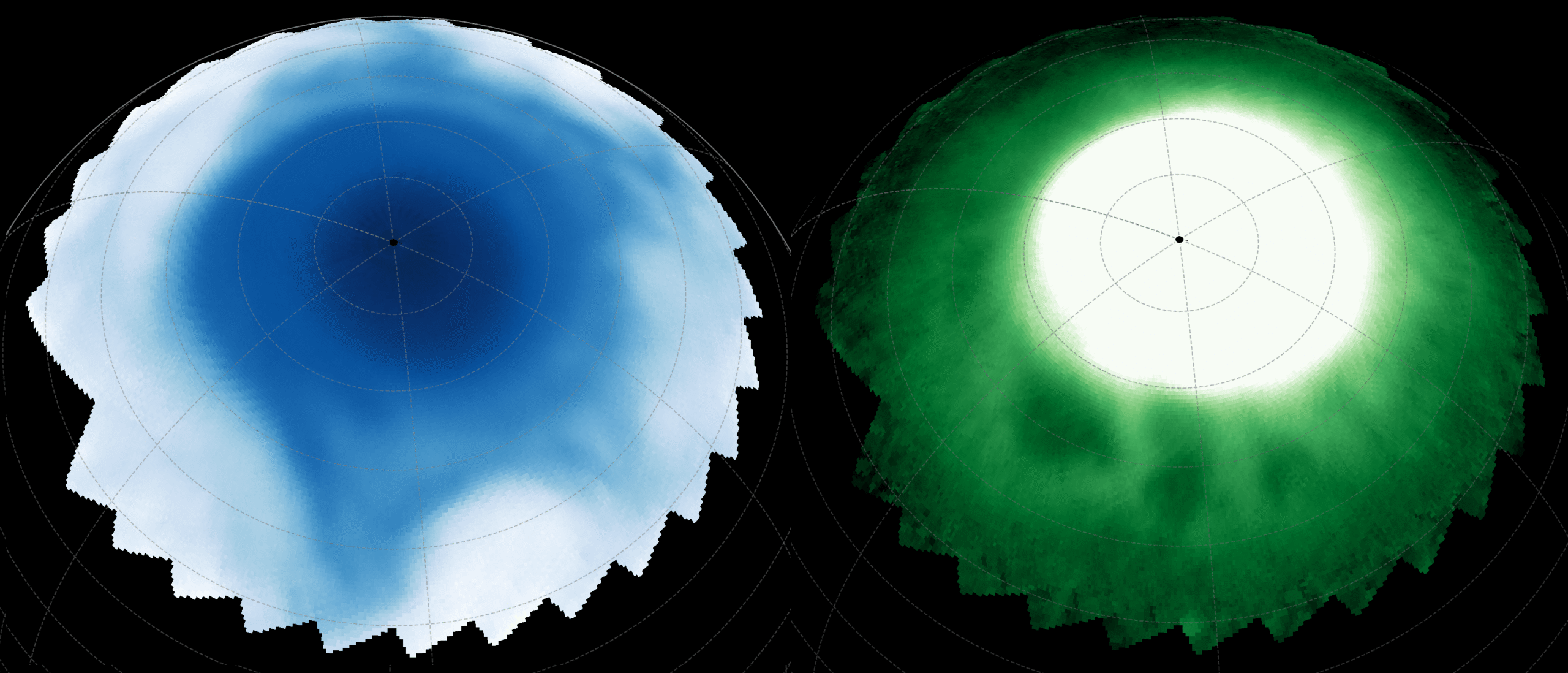
In the electrically-charged plasma of the ionosphere, the team observed a series of dark, bead-like features embedded in bright auroral halos. These structures remained stable over hours but appeared to drift slowly over longer periods.

Around 500 kilometres lower, in Saturn’s stratosphere, the team discovered an asymmetric star-shaped feature. This unusual structure extended out from Saturn’s north pole towards the equator. Only four of the star’s six arms were visible, with two mysteriously missing, creating a lopsided pattern. 

“Saturn’s upper atmosphere has proven incredibly difficult to study with missions and telescope facilities to date due to the extremely weak emissions from this region,” said Stallard. “JWST’s incredible sensitivity has revolutionised our ability to observe these atmospheric layers, revealing structures that are completely unlike anything we’ve seen before on any planet.” 

The team mapped the exact locations of the features and found that they overlaid the same region of Saturn at different levels, with the star’s arms appearing to emanate from positions directly above the points of the storm-cloud-level hexagon. This suggests that the processes that are driving the patterns may influence a column stretching right through Saturn’s atmosphere.

“We think that the dark beads may result from complex interactions between Saturn’s magnetosphere and its rotating atmosphere, potentially providing new insights into the energy exchange that drives Saturn’s aurora. The asymmetric star pattern suggests previously unknown atmospheric processes operating in Saturn’s stratosphere, possibly linked to the hexagonal storm pattern observed deeper in Saturn’s atmosphere,” said Stallard. 

“Tantalisingly, the darkest beads in the ionosphere appear to line up with the strongest star-arm in the stratosphere, but it’s not clear at this point whether they are actually linked or whether it’s just a coincidence.”

While both features could have significant implications for understanding atmospheric dynamics on gas giant planets, more work is needed to provide explanations for the underlying causes.  

The team hopes that additional time may be granted in future to carry out follow-up observations of Saturn with JWST to further explore the features. With the planet at its equinox, which occurs approximately every 15 Earth years, the structures may change dramatically as Saturn’s orientation to the Sun shifts and the northern hemisphere moves into autumn. 

“Since neither atmospheric layer can be observed using ground-based telescopes, the need for JWST follow-up observations during this key time of seasonal change on Saturn is pressing,” Stallard added. 

Further Information

Abstract: EPSC-DPS2025-817. Tom Stallard, Henrik Melin, Luke Moore, Emma Thomas, Katie Knowles, Paola Tiranti and James O’Donoghue. 

https://doi.org/10.5194/epsc-dps2025-817

The paper JWST/NIRSpec detection of complex structures in Saturn’s sub-auroral ionosphere and stratosphere was published in Geophysical Research Letters on 28 August 2025. 

DOI: https://doi.org/10.1029/2025GL116491

Visit the Northumbria University Research Portal to find out more about Professor Tom Stallard’s work. 

The Saturn research was supported by grants from the Science and Technology Facilities Council (STFC), NASA Solar System Workings program, and the European Research Council. The study represents part of JWST’s ongoing revolutionary observations of our solar system’s planets. 

Images and Animations

Download link: https://www.swisstransfer.com/d/c8e96f72-8794-421e-bf60-ab31d5d07188

Montage of Dark Beads in Saturn’s Ionosphere

Montage of stills from animation showing the dark, bead-like features embedded in bright auroral halos as Saturn rotates beneath JWST’s view. Credit: NASA/ESA/CSA/Stallard et al 2025.

https://www.europlanet.org/wp-content/uploads/2025/09/dark_beads_montage.png

Animation of Dark Beads in Saturn’s Ionosphere

This video of Saturn’s ionosphere highlights the contrast in brightness between JWST’s infrared observations of the aurora and the dim bead features. The aurora itself is relatively weak, almost impossible to image from Earth, needing hours of integration time to observe using ground-based data.  However, the auroral features are at least four times brighter than the brightest parts of the dark bead features, so to properly show the hidden features, the aurora are completely saturated. Credit: NASA/ESA/CSA/Stallard et al 2025.

Montage of Star Arms in Saturn’s Stratosphere

Montage of stills from animation showing near infrared emissions in Saturn’s stratosphere, revealing the four star-arm features flowing from the pole towards the equator, as the planet rotates beneath JWST’s view. Credit: NASA/ESA/CSA/Stallard et al 2025.

https://www.europlanet.org/wp-content/uploads/2025/09/star_arms_montage.png

Montage of Star Arms in Saturn’s Stratosphere

This video of Saturn’s stratosphere shows a complex and highly surprising star-shaped structure, revealed for the first time by JWST’s unprecedented sensitivity. Four dark bands extend away from the polar region, appearing to make up four out of six arms that align with Saturn’s famous hexagon within the lower atmosphere. At this point, it is unknown why the dark arms are flowing towards the equator, or why two of the arms are missing, but the causes may be associated with the complex bead structures observed many hundreds of kilometres above in the ionosphere.  Credit: NASA/ESA/CSA/Stallard et al 2025.

Dark Beads and Star Arms in Saturn’s Upper Atmosphere

Detections of near infrared emissions in Saturn’s ionosphere (right) show dark bead-like features embedded within bright aurora. In the stratosphere (left), 500 kilometres below, a lopsided star-pattern extends towards the equator. Credit: NASA/ESA/CSA/Stallard et al 2025.

https://www.europlanet.org/wp-content/uploads/2025/09/beads_and_star_arms.png

Dark Beads and Star Arms in Saturn’s Upper Atmosphere

This video shows how the structures observed in Saturn’s ionosphere and stratosphere relate to one another. Starting with the aurora at 1100 km, the brightness is increased to reveal the dark bead-like features. The video then fades into the star-arm shapes within the underlying 600 km layer. The darkest beads in the ionosphere appear to line up with the strongest arm underneath it, but it is not clear if this is co-incidental, or if it suggests coupling between Saturn’s lowest and highest layers of the atmosphere.  Credit: NASA/ESA/CSA/Stallard et al 2025.

Notes for Editors

About the Joint Meeting of the Europlanet Science Congress and the Division of Planetary Sciences (EPSC-DPS) 

The Europlanet Science Congress (EPSC), established in 2006 as the European Planetary Science Congress, is the largest planetary science meeting in Europe. It covers the entire range of planetary sciences, with an extensive mix of talks, workshops and poster sessions, as well as providing a unique space for networking and exchanges of experiences.

EPSC joined forces for the first time with the American Astronomical Society’s Division for Planetary Sciences (DPS) for a joint meeting in Nantes, France, in 2011. This was followed by DPS-EPSC 2016 in Pasadena, EPSC-DPS 2019 in Geneva, and the return to the United States for the DPS-EPSC 2023 meeting in San Antonio. This year marks the third iteration of a joint European-based meeting. The intent of the joint meetings is not only to connect the European and North American planetary science communities, but also to consolidate two major meetings and motivate planetary scientists from all over the globe to attend. With over 1800 participants joining in person and online, EPSC-DPS2025 is the largest planetary science meeting held to date in Europe. https://www.epsc-dps2025.eu

Follow on social media (BlueskyX and LinkedIn) with the hashtag #EPSC-DPS2025 for updates on the meeting.

About Europlanet

Europlanet (europlanet.org) is a non-profit association and membership organisation that provides the planetary science community with access to research infrastructure, services and training. The Europlanet Association Sans But Lucratif (AISBL), established in 2023, builds on the heritage of a series of projects funded by the European Commission between 2005 and 2024 (Grant Numbers 871149, 654208, 228319 and RICA-CT-2004-001637) to support the planetary science community in Europe and around the world. 

About the DPS

The Division for Planetary Sciences (DPS), founded in 1968, is the largest special-interest Division of the American Astronomical Society (AAS). Members of the DPS study the bodies of our own solar system, from planets and moons to comets and asteroids, and all other solar-system objects and processes. With the discovery that planets exist around other stars, the DPS has expanded its scope to include the study of extrasolar planetary systems as well. The American Astronomical Society (AAS), established in 1899, is the major organization of professional astronomers in North America. The mission of the AAS is to enhance and share humanity’s scientific understanding of the universe as a diverse and inclusive astronomical community, which it achieves through publishing, meeting organization, science advocacy, education and outreach, and training and professional development.

EPSC-DPS2025: Mars’s Chilly North Polar Vortex Creates a Seasonal Ozone Layer

EPSC-DPS2025: Mars’s Chilly North Polar Vortex Creates a Seasonal Ozone Layer

Joint Meeting of the Europlanet Science Congress and the American Astronomical Society’s Division for Planetary Science (EPSC-DPS2025) Press Release

A rare glimpse into the wintry conditions of Mars’s north polar vortex has shown that temperatures inside the vortex are far colder than outside, and that the permanent darkness that winter brings to the martian north pole facilitates a surge in ozone in the atmosphere.

“The atmosphere inside the polar vortex, from near the surface to about 30 kilometres high, is characterised by extreme cold temperatures, about 40 degrees Celsius colder than outside the vortex,” said Dr Kevin Olsen of the University of Oxford, who presented the results at the EPSC-DPS2025 Joint Meeting in Helsinki last week.

At such frigid temperatures, what little water vapour there is in the atmosphere freezes out and is deposited onto the ice cap, but this leads to consequences for ozone in the vortex. Ordinarily ozone is destroyed by reacting with molecules produced when ultraviolet sunlight breaks down water vapour. However, with all the water vapour gone, there’s nothing for the ozone to react with. Instead, ozone is able to accumulate within the vortex.

“Ozone is a very important gas on Mars – it’s a very reactive form of oxygen and tells us how fast chemistry is happening in the atmosphere,” said Olsen. “By understanding how much ozone there is and how variable it is, we know more about how the atmosphere changed over time, and even whether Mars once had a protective ozone layer like on Earth.”

The European Space Agency’s ExoMars Rosalind Franklin rover, which is currently scheduled to launch in 2028, will search for evidence of past life on Mars. The possibility that Mars once had an ozone layer protecting the planet’s surface from the deadly influx of ultraviolet radiation from space would boost the chances that life could have survived on Mars billions of years ago substantially.

How Mars’s Polar Vortex Forms

The polar vortex is a consequence of Mars’s seasons, which occur because the Red Planet’s axis is tilted at an angle of 25.2 degrees. Just like on Earth, the end of northern summer sees an atmospheric vortex develop over Mars’s north pole and last through to the spring. 

On Earth the polar vortex can sometimes become unstable, lose its shape and descend southwards, bringing colder weather to the mid-latitudes. The same can happen to Mars’s polar vortex, and in doing so it provides an opportunity to probe its interior.

“Because winters at Mars’s north pole experience total darkness, like on Earth, they are very hard to study,” says Olsen. “By being able to measure the vortex and determine whether our observations are inside or outside of the dark vortex, we can really tell what is going on.”

Probing the Vortex

Olsen works with ESA’s ExoMars Trace Gas Orbiter that is in orbit around Mars. In particular, the spacecraft’s Atmospheric Chemistry Suite (ACS) studies Mars’s atmosphere by gazing at the Red Planet’s limb when the Sun is on the other side of the planet and is shining through the atmosphere. The wavelengths at which the sunlight is absorbed give away which molecules are present in the atmosphere and how high above the surface they are.

However, this technique doesn’t work during the total darkness of martian winter when the Sun doesn’t rise over the north pole. The only opportunities to glimpse inside the vortex are when it loses its circular shape but, to know exactly when and where this is happening, requires additional data.   

For this, Olsen turned to the Mars Climate Sounder instrument on NASA’s Mars Reconnaissance Orbiter to measure the extent of the vortex via temperature measurements.
 
“We looked for a sudden drop in temperature – a sure sign of being inside the vortex,” said Olsen. “Comparing the ACS observations with the results from the Mars Climate Sounder shows clear differences in the atmosphere inside the vortex compared to outside. This is a fascinating opportunity to learn more about martian atmosphere chemistry and how conditions change during the polar night to allow ozone to build up.”

Further information

EPSC-DPS2025-1438 What Goes On Inside the Mars North Polar Vortex?

Kevin Olsen, Bethan Gregory, Franck Montmessin, Lucio Baggio, Franck Lefèvre, Oleg Korablev, Alexander Trokhimovsky, Anna Federova, Denius Belyaev, Juan Alday and Armin Kleinböhl, https://doi.org/10.5194/epsc-dps2025-1438

Images

In this schematic view, Mars appears as an orange globe. Temperature measurements are overlaid in strips running from the poles down towards the equator. The temperatures inside the polar vortex (shown by the green line) are 40 degrees Celsius colder and appear in blue.
A schematic of temperature measurements shows how it is 40 degrees Celsius colder inside the north polar vortex (indicated by the yellow line) compared to outside the vortex. Image credit: Kevin Olsen (University of Oxford) et al.

https://www.europlanet.org/wp-content/uploads/2025/09/Mars_PV_from_orbit-scaled.png

Perspective view of the north pole of Mars. White deposits of ice partially cover the red martain surface in concentrated in two areas that are partially separated by a deep canyon, known as Chasma Boreale.
A view of the north pole of Mars, created by taking images as seen by the European Space Agency’s Mars Express spacecraft and applying topographic data from the Mars Orbiter Laser Altimeter that was on board NASA’s now defunct Mars Global Surveyor mission. Image credit: ESA/DLR/FU Berlin/NASA MGS MOLA Science Team.

https://www.esa.int/var/esa/storage/images/esa_multimedia/images/2017/02/perspective_view_of_chasma_boreale/16629674-1-eng-GB/Perspective_view_of_Chasma_Boreale.jpg

Contacts

Dr Kevin Olsen, University of Oxford
kevin.olsen@physics.ox.ac.uk

EPSC-DPS2025 Press Office
press@europlanet.org 

Notes for Editors

About the Joint Meeting of the Europlanet Science Congress and the Division of Planetary Sciences (EPSC-DPS) 

The Europlanet Science Congress (EPSC), established in 2006 as the European Planetary Science Congress, is the largest planetary science meeting in Europe. It covers the entire range of planetary sciences, with an extensive mix of talks, workshops and poster sessions, as well as providing a unique space for networking and exchanges of experiences.

EPSC joined forces for the first time with the American Astronomical Society’s Division for Planetary Sciences (DPS) for a joint meeting in Nantes, France, in 2011. This was followed by DPS-EPSC 2016 in Pasadena, EPSC-DPS 2019 in Geneva, and the return to the United States for the DPS-EPSC 2023 meeting in San Antonio. This year marks the third iteration of a joint European-based meeting. The intent of the joint meetings is not only to connect the European and North American planetary science communities, but also to consolidate two major meetings and motivate planetary scientists from all over the globe to attend. With over 1800 participants joining in person and online, EPSC-DPS2025 is the largest planetary science meeting held to date in Europe. https://www.epsc-dps2025.eu

Follow on social media (BlueskyX and LinkedIn) with the hashtag #EPSC-DPS2025 for updates on the meeting.

About Europlanet

Europlanet (europlanet.org) is a non-profit association and membership organisation that provides the planetary science community with access to research infrastructure, services and training. The Europlanet Association Sans But Lucratif (AISBL), established in 2023, builds on the heritage of a series of projects funded by the European Commission between 2005 and 2024 (Grant Numbers 871149, 654208, 228319 and RICA-CT-2004-001637) to support the planetary science community in Europe and around the world. 

About the DPS

The Division for Planetary Sciences (DPS), founded in 1968, is the largest special-interest Division of the American Astronomical Society (AAS). Members of the DPS study the bodies of our own solar system, from planets and moons to comets and asteroids, and all other solar-system objects and processes. With the discovery that planets exist around other stars, the DPS has expanded its scope to include the study of extrasolar planetary systems as well. The American Astronomical Society (AAS), established in 1899, is the major organization of professional astronomers in North America. The mission of the AAS is to enhance and share humanity’s scientific understanding of the universe as a diverse and inclusive astronomical community, which it achieves through publishing, meeting organization, science advocacy, education and outreach, and training and professional development.

EPSC-DPS2025: Planets Without Plate Tectonics and too Little Carbon Dioxide Could Mean that Technological Alien Life is Rare

EPSC-DPS2025: Planets Without Plate Tectonics and too Little Carbon Dioxide Could Mean that Technological Alien Life is Rare

Joint Meeting of the Europlanet Science Congress and the American Astronomical Society’s Division for Planetary Science (EPSC-DPS2025) Press Release

The closest technological species to us in the Milky Way galaxy could be 33,000 light years away and their civilisation would have to be at least 280,000 years, and possibly millions of years, old if they are to exist at the same time that we do, according to new research presented at the EPSC–DPS2025 Joint Meeting in Helsinki this week.

These numbers are reflective of the strong odds against finding Earth-like worlds with plate tectonics and a nitrogen-oxygen dominated atmosphere with just the right amount of oxygen and carbon dioxide.

By considering these factors, the possibility for the success of SETI (Search for Extraterrestrial Intelligence) seems bleak, according to Dr Manuel Scherf and Professor Helmut Lammer of the Space Research Institute at the Austrian Academy of Sciences in Graz.

“Extraterrestrial intelligences – ETIs – in our galaxy are probably pretty rare,” says Scherf.

The more carbon dioxide a planet has in its atmosphere, the longer it can sustain a biosphere and photosynthesis for, and prevent the atmosphere from escaping into space, but it’s a careful balance: too much carbon dioxide and it can lead to a runaway greenhouse effect, or render the atmosphere too toxic for life. Plate tectonics regulate the amount of carbon dioxide in the atmosphere as part of the carbon-silicate cycle, and so a habitable planet requires plate tectonics. Gradually, though, the carbon dioxide that is drawn out of the atmosphere gets locked away in rocks rather than recycled. 

“At some point enough carbon dioxide will be drawn from the atmosphere so that photosynthesis will stop working,” says Scherf. “For the Earth, that’s expected to happen in about 200 million to roughly one billion years.”

Earth’s atmosphere is dominated by nitrogen (78 per cent) and oxygen (21 per cent), but it also contains trace gases including carbon dioxide (0.042 per cent). Scherf and Lammer consider what would happen on a planet with ten per cent carbon dioxide (such a planet could avoid a runaway greenhouse if it is further from its sun, or its sun is younger and less luminous) and find that its biosphere could be maintained for 4.2 billion years. Alternatively, an atmosphere with one-per-cent carbon dioxide would maintain a biosphere for a maximum of 3.1 billion years.

These worlds would also need no less than 18 per cent oxygen. Not only is more oxygen needed by larger, complex animals, but previous studies have shown that if oxygen levels fall below this then there is not enough free oxygen to enable open-air combustion. Without fire the smelting of metal would be unfeasible and a technological civilisation would be impossible.

Scherf and Lammer then contrasted these biosphere lifespans with the amount of time it takes for technological life to evolve, which on Earth was 4.5 billion years, and the possible lifetime of a technological species. This is important because the longer their species survives, the greater the chance that they will exist at the same time that we do.

Combining all these factors is what led Scherf and Lammer to the conclusion that technological species living on a planet with 10 per cent carbon dioxide would have to survive for at least 280,000 years for there to even be one other civilisation in the galaxy at the same time we are. 

“For ten civilisations to exist at the same time as ours, the average lifetime must be above 10 million years,” says Scherf. “The numbers of ETIs are pretty low and depend strongly upon the lifetime of a civilisation.”

This means that if we do detect an ETI, it is almost certainly going to be much older than humanity.

It’s these numbers that also lead to the estimate that the next closest technological civilisation is about 33,000 light years away. Our Sun is about 27,000 light years from the galactic centre, which means that the next closest technological civilisation to our own could be on the other side of the Milky Way.

These numbers are not absolutes – Scherf points out that there are other factors that should be included, such as the origin of life, the origin of photosynthesis, the origin of multi-cellular life and the frequency with which intelligent life develops technology, but they cannot be quantified at present. If each of these factors has a high probability, then ETIs might not be as rare. If each of these factors has a low probability, then a more pessimistic outlook is required.

Nevertheless, Scherf strongly believes that SETI should continue the search.

“Although ETIs might be rare there is only one way to really find out and that is by searching for it,” says Scherf. “If these searches find nothing, it makes our theory more likely, and if SETI does find something, then it will be one of the biggest scientific breakthroughs ever achieved as we would know that we are not alone in the Universe.”

Further information

EPSC-DPS2025 1512 How Common Are Biological ETIs in the Galaxy?

Manuel Scherf and Helmut Lammer, https://doi.org/10.5194/epsc-dps2025-1512

Images

Image of the spiral Milky Way Galaxy, with the location of our Sun marked in one of the spiral arms.
An artist’s impression of our Milky Way Galaxy, showing the location of the Sun. Our Solar System is about 27,000 light years from the centre of the galaxy. The nearest technological species could be 33,000 light years away. Image credit: NASA/JPL–Caltech/R. Hurt (SSC–Caltech).

https://www.spitzer.caltech.edu/system/avm_images/binaries/1925/huge/ssc2008-10b.jpg?1603784892

An artist’s impression of the rocky, habitable-zone exoplanet Kepler-168b. Image credit: NASA Ames/NASA/JPL–Caltech/Tim Pyle (Caltech).

https://stsci-opo.org/STScI-01FKNX2DBR3TZ756WKCK5KDJM0.jpg

This graph shows the maximum number of ETIs presently existing in the Milky Way. The solid orange line describes the scenario of planets with nitrogen–oxygen atmospheres with 10 per cent carbon dioxide. In this case the average lifetime of a civilization must be at least 280,000 years for a second civilization to exist in the Milky Way. Changing the amount of atmospheric carbon dioxide produces different results. Image credit: Manuel Scherf and Helmut Lammer.

https://www.europlanet.org/wp-content/uploads/2025/09/lifetime_vs_ETIs_Credit_Scherf_Lammer-scaled.png

Contacts

Dr Manuel Scherf
Austrian Academy of Sciences
manuel.scherf@oeaw.ac.at

EPSC-DPS2025 Press Office
press@europlanet.org 

Notes for Editors

About the Joint Meeting of the Europlanet Science Congress and the Division of Planetary Sciences (EPSC-DPS) 

The Europlanet Science Congress (EPSC), established in 2006 as the European Planetary Science Congress, is the largest planetary science meeting in Europe. It covers the entire range of planetary sciences, with an extensive mix of talks, workshops and poster sessions, as well as providing a unique space for networking and exchanges of experiences.

EPSC joined forces for the first time with the American Astronomical Society’s Division for Planetary Sciences (DPS) for a joint meeting in Nantes, France, in 2011. This was followed by DPS-EPSC 2016 in Pasadena, EPSC-DPS 2019 in Geneva, and the return to the United States for the DPS-EPSC 2023 meeting in San Antonio. This year will mark the third iteration of a joint European-based meeting. The intent of the joint meetings is not only to connect the European and North American planetary science communities, but also to consolidate two major meetings and motivate planetary scientists from all over the globe to attend. With over 1800 participants joining in person and online, EPSC-DPS2025 is the largest planetary science meeting held to date in Europe. https://www.epsc-dps2025.eu

Follow on social media (BlueskyX and LinkedIn) with the hashtag #EPSC-DPS2025 for updates on the meeting.

About Europlanet

Europlanet (europlanet.org) is a non-profit association and membership organisation that provides the planetary science community with access to research infrastructure, services and training. The Europlanet Association Sans But Lucratif (AISBL), established in 2023, builds on the heritage of a series of projects funded by the European Commission between 2005 and 2024 (Grant Numbers 871149, 654208, 228319 and RICA-CT-2004-001637) to support the planetary science community in Europe and around the world. 

About the DPS

The Division for Planetary Sciences (DPS), founded in 1968, is the largest special-interest Division of the American Astronomical Society (AAS). Members of the DPS study the bodies of our own solar system, from planets and moons to comets and asteroids, and all other solar-system objects and processes. With the discovery that planets exist around other stars, the DPS has expanded its scope to include the study of extrasolar planetary systems as well. The American Astronomical Society (AAS), established in 1899, is the major organization of professional astronomers in North America. The mission of the AAS is to enhance and share humanity’s scientific understanding of the universe as a diverse and inclusive astronomical community, which it achieves through publishing, meeting organization, science advocacy, education and outreach, and training and professional development.

Reminder: Final Details of Media Briefing on Juno Mission

Reminder: Final Details of Media Briefing on Juno Mission

Joint Meeting of the Europlanet Science Congress and the American Astronomical Society’s Division for Planetary Science (EPSC-DPS2025), 7-12 September, Helsinki, Finland, Press release

This press briefing will focus on several recent discoveries with the Juno Mission, including in-situ and remote observations of the auroral footprints of Jovian moons by the Juno spacecraft.

12:45 EEST: Welcome

Anita Heward, Press Officer, EPSC-DPS2025

12:50 EEST: Speakers

  • Scott Bolton
  • Vincent Hue
  • Nicolas André
  • Alessandro Moirano

FURTHER INFORMATION

Directions to Finlandia Hall can be found at: https://finlandiatalo.fi/en/finlandia-hall/location-transportation/

Details of all scientific sessions and presentation abstracts for EPSC-DPS2025 can be found at the official website: https://www.epsc-dps2025.eu

An overview of the programme can be found here: 

https://www.epsc-dps2025.eu/programme_overview.pdf

The meeting hashtag is #EPSC-DPSC2025

CONTACTS

Anita Heward
EPSC-DPS2025 Press Officer
+44 7756 034243

aheward@europlanet.org
press@europlanet.org

Keith Cooper
EPSC-DPS2025 Press Officer
press@europlanet.org

Thibaut Roger
EPSC-DPS2025 Press Officer
press@europlanet.org

NOTES FOR EDITORS

About the Joint Meeting of the Europlanet Science Congress and the Division of Planetary Sciences (EPSC-DPS) 

The Europlanet Science Congress (EPSC), established in 2006 as the European Planetary Science Congress, is the largest planetary science meeting in Europe. It covers the entire range of planetary sciences, with an extensive mix of talks, workshops and poster sessions, as well as providing a unique space for networking and exchanges of experiences.

EPSC joined forces for the first time with the American Astronomical Society’s Division for Planetary Sciences (DPS) for a joint meeting in Nantes, France, in 2011. This was followed by DPS-EPSC 2016 in Pasadena, EPSC-DPS 2019 in Geneva, and the return to the United States for the DPS-EPSC 2023 meeting in San Antonio. This year will mark the third iteration of a joint European-based meeting. The intent of the joint meetings is not only to connect the European and North American planetary science communities, but also to consolidate two major meetings and motivate planetary scientists from all over the globe to attend.

Follow on social media (BlueskyX and LinkedIn) with the hashtag #EPSC-DPS2025 for updates on the meeting.

Sharing Material at EPSC-DPS2025

Due to author copyright privileges, it is prohibited to retain or share any scientific material contained in any oral or poster presentation or supplementary material if a presenter has marked the material as “restricted” and/or used the “no-sharing” icon.

About Europlanet

Europlanet (www.europlanet.org) is a non-profit association and membership organisation that provides the planetary science community with access to research infrastructure, services and training. The Europlanet Association Sans But Lucratif (AISBL), established in 2023, builds on the heritage of a series of projects funded by the European Commission between 2005 and 2024 (Grant Numbers 871149, 654208, 228319 and RICA-CT-2004-001637) to support the planetary science community in Europe and around the world. 

About the DPS

The Division for Planetary Sciences (DPS), founded in 1968, is the largest special-interest Division of the American Astronomical Society (AAS). Members of the DPS study the bodies of our own solar system, from planets and moons to comets and asteroids, and all other solar-system objects and processes. With the discovery that planets exist around other stars, the DPS has expanded its scope to include the study of extrasolar planetary systems as well. The American Astronomical Society (AAS), established in 1899, is the major organization of professional astronomers in North America. The mission of the AAS is to enhance and share humanity’s scientific understanding of the universe as a diverse and inclusive astronomical community, which it achieves through publishing, meeting organization, science advocacy, education and outreach, and training and professional development.

About the European Space Agency

The European Space Agency (ESA) provides Europe’s gateway to space.  

ESA is an intergovernmental organisation, created in 1975, with the mission to shape the development of Europe’s space capability and ensure that investment in space delivers benefits to the citizens of Europe and the world.  

ESA has 23 Member States: Austria, Belgium, the Czech Republic, Denmark, Estonia, Finland, France, Germany, Greece, Hungary, Ireland, Italy, Luxembourg, the Netherlands, Norway, Poland, Portugal, Romania, Slovenia, Spain, Sweden, Switzerland and the United Kingdom. Latvia, Lithuania and Slovakia are Associate Members.  

ESA has established formal cooperation with four Member States of the EU. Canada takes part in some ESA programmes under a Cooperation Agreement.  

By coordinating the financial and intellectual resources of its members, ESA can undertake programmes and activities far beyond the scope of any single European country. It is working in particular with the EU on implementing the Galileo and Copernicus programmes as well as with Eumetsat for the development of meteorological missions.  

Learn more about ESA at www.esa.int

EPSC-DPS2025: How Interstellar Objects Similar to 3I/ATLAS Could Jump-Start Planet Formation Around Infant Stars

How Interstellar Objects Similar to 3I/ATLAS Could Jump-Start Planet Formation Around Infant Stars

Joint Meeting of the Europlanet Science Congress and the American Astronomical Society’s Division for Planetary Science (EPSC-DPS2025) Press Release

Interstellar objects like 3I/ATLAS that have been captured in planet-forming discs around young stars could become the seeds of giant planets, bypassing a hurdle that theoretical models have previously been unable to explain.

Interstellar objects are asteroid- and comet-like bodies that have been ejected from their home system and now wander through interstellar space, occasionally encountering other star systems. Since 2017 astronomers have detected three interstellar objects passing through our Solar System: 1I/’Oumuamua, 2I/Borisov and most recently 3I/ATLAS, discovered in summer 2025.

However, interstellar objects may be more influential than they at first appear to be, says Professor Susanne Pfalzner of Forschungszentrum Jülich in Germany, who presents her new findings on the subject at this week’s EPSC-DPS2025 Joint Meeting in Helsinki.

“Interstellar objects may be able to jump start planet formation, in particular around higher-mass stars,” said Pfalzner.

Planets form in dusty discs around young stars through a process of accretion, which according to theory involves smaller particles come together to form slightly larger objects, and so on until planet-sized bodies have assembled. However, theorists struggle to explain how anything larger than a metre forms through accretion in the hurly-burly of a planet-forming disc around a young star – in computer simulations, boulders either bounce off each other or shatter when they collide rather than sticking together.

Interstellar objects can potentially bypass this problem. Pfalzner’s models show how the dusty planet-forming disc around each young star could gravitationally capture millions of interstellar objects the size of 1I/’Oumuamua, which was estimated to be around 100 metres long. 

“Interstellar space would deliver ready-made seeds for the formation of the next generation of planets,” said Pfalzner.  

If interstellar objects can act as the seeds of planets, it also solves another mystery. Gas giant planets like Jupiter are rare around the smallest, coolest stars, which astronomers refer to as ‘M dwarfs’. They are more commonly found around more massive stars similar to the Sun. The problem, though, is that planet-forming discs around Sun-like stars have a lifetime of about two million years before dissipating and it’s very challenging to form to form gas giant planets on such a short timescale. However, if captured interstellar objects are present as seeds onto which more material can accrete, it speeds the process of planet formation up and giant planets can form in the lifetime of the disc.

“Higher-mass stars are more efficient in capturing interstellar objects in their discs,” said Pfalzner. “Therefore, interstellar object-seeded planet formation should be more efficient around these stars, providing a fast way to form giant planets. And, their fast formation is exactly what we have observed.”

Pfalzner says that her next steps are to model the success rate of these captured interstellar objects – investigating how many of the millions of captured interstellar objects are able to form planetary bodies, and whether they are captured evenly across a planet-forming disc, or whether they are concentrated in certain areas that could become hotspots for planet-birth.

Further information

EPSC-DPS2025-1927, Interstellar Objects Function as Seeds for Planet Formation Predominantly Around High-Mass Stars

Susanne Pfalzner, https://doi.org/10.5194/epsc-dps2025-1927

Images

Interstellar object 3I/ATLAS imaged by the Hubble Space Telescope. Could similar objects be the seeds of new planets around young stars? Image credit: NASA/ESA/David Jewitt (UCLA). Image Processing: Joseph DePasquale (STScI).

https://assets.science.nasa.gov/content/dam/science/missions/hubble/releases/2025/08/STScI-01K1X6XDR76ZD4FYJ9VTWN1ERB.tif

Contacts

Professor Susanne Pfalzner
Jülich Supercomputing Center, Forschungszentrum Jülich, Germany
s.pfalzner@fz-juelich.de

EPSC-DPS2025 Press Office
press@europlanet.org 

Notes for Editors

About the Joint Meeting of the Europlanet Science Congress and the Division of Planetary Sciences (EPSC-DPS)

The Europlanet Science Congress (EPSC), established in 2006 as the European Planetary Science Congress, is the largest planetary science meeting in Europe. It covers the entire range of planetary sciences, with an extensive mix of talks, workshops and poster sessions, as well as providing a unique space for networking and exchanges of experiences.

EPSC joined forces for the first time with the American Astronomical Society’s Division for Planetary Sciences (DPS) for a joint meeting in Nantes, France, in 2011. This was followed by DPS-EPSC 2016 in Pasadena, EPSC-DPS 2019 in Geneva, and the return to the United States for the DPS-EPSC 2023 meeting in San Antonio. This year will mark the third iteration of a joint European-based meeting. The intent of the joint meetings is not only to connect the European and North American planetary science communities, but also to consolidate two major meetings and motivate planetary scientists from all over the globe to attend. With over 1800 participants joining in person and online, EPSC-DPS2025 is the largest planetary science meeting held to date in Europe. https://www.epsc-dps2025.eu

Follow on social media (BlueskyX and LinkedIn) with the hashtag #EPSC-DPS2025 for updates on the meeting.

About Europlanet

Europlanet (europlanet.org) is a non-profit association and membership organisation that provides the planetary science community with access to research infrastructure, services and training. The Europlanet Association Sans But Lucratif (AISBL), established in 2023, builds on the heritage of a series of projects funded by the European Commission between 2005 and 2024 (Grant Numbers 871149, 654208, 228319 and RICA-CT-2004-001637) to support the planetary science community in Europe and around the world. 

About the DPS

The Division for Planetary Sciences (DPS), founded in 1968, is the largest special-interest Division of the American Astronomical Society (AAS). Members of the DPS study the bodies of our own solar system, from planets and moons to comets and asteroids, and all other solar-system objects and processes. With the discovery that planets exist around other stars, the DPS has expanded its scope to include the study of extrasolar planetary systems as well. The American Astronomical Society (AAS), established in 1899, is the major organization of professional astronomers in North America. The mission of the AAS is to enhance and share humanity’s scientific understanding of the universe as a diverse and inclusive astronomical community, which it achieves through publishing, meeting organization, science advocacy, education and outreach, and training and professional development.

How the Stuff of Life Could Be Brought to Europe’s Mars Rover by Rockfalls and Ancient Floods

How the Stuff of Life Could Be Brought to Europe’s Mars Rover by Rockfalls and Ancient Floods

Joint Meeting of the Europlanet Science Congress and the American Astronomical Society’s Division for Planetary Science (EPSC-DPS2025) Press Release

The Rosalind Franklin mission’s chance of finding evidence of past life on Mars has been boosted by two studies that show that the rover won’t have to travel far to find materials potentially laden with organic molecules. Instead, natural processes could bring those materials to the rover, as revealed in two separate presentations at the EPSC–DPS2025 Joint Meeting in Helsinki this week.

Rosalind Franklin is a European Space Agency (ESA) mission currently scheduled to blast off to Mars in 2028. The rover will land in Oxia Planum, which is a large plain rich in clay minerals that formed in water billions of years ago.

The first study presented at EPSC–DPS2025, by Dr Aleksandra Sokołowska of Brown University in the USA and Imperial College London, describes how the identification of 258 rockfalls in the region of the landing site provides the opportunity for the rover to explore previously inaccessible material.

The second study, presented by Ananya Srivastava of the University of Western Ontario in Canada, reveals how organic-rich clays in Oxia Planum may have originated from elsewhere on Mars and been deposited through a series of floods over 3.5 billion years ago.

Will Rosalind Franklin See the Rolling Stones?

Identifying the rockfalls at Oxia Planum requires the highest resolution imagery from the HiRISE camera on NASA’s Mars Reconnaissance Orbiter, which can resolve objects as small as one metre. Many of the boulders brought to the ground by rockfalls are smaller than 2.5 metres and the largest is up to eight metres across. What really gives them away are their tracks, which can be metres deep and run for 500 metres.

Sokołowska and her colleagues identified the rockfalls at 48 sites thanks to a semi-automatic process, with deep-learning algorithms spotting candidate rockfalls that were then followed-up by a human being for verification. Most rockfalls were found on the steep slopes of craters, mounds and cliffs.

“We have reasons to believe that fresh rockfalls could be very common,” said Sokołowska. “More rockfalls are likely waiting to be found, as our manual follow-ups on small areas revealed many more than our semi-automatic search over the whole Oxia Planum region.”

The chance of Rosalind Franklin finding itself in the path of an onrushing rockfall is slim. Instead, the rover will be able to use them to its advantage. 

“The discovery of rockfalls in Oxia Planum opens up the exciting possibility for the rover to increase the diversity of its samples with material that would otherwise be inaccessible,” said Sokołowska.

Fragments of rock that had been embedded on slopes of mounds, crater walls and other steep cliff-faces before falling would have been partly shielded from the radiation that drenches Mars from space. This, in theory, will improve the chances of organic molecules surviving intact in them. The dirt displaced from metres below the surface by the tracks gouged out by the rockfalls could also provide a new source of accessible samples for the rover to examine.

Sokołowska’s work shows that impact craters play an important role in creating the conditions for the rockfalls, in terms of fracturing the ground and distributing loose material on slopes. She further explains that “Other factors that contributed to the development of rockfalls could include thermal stresses or early fluvial erosion, but a tectonic origin seems unlikely.

The impacts themselves do not necessarily trigger the rockfalls, however. “In terms of triggers, we found no link with recent marsquakes or new impact craters,” said Sokołowska.

Martian clays reveal episodic flooding on ancient Mars

Clays are a prime target for Rosalind Franklin because they can preserve organic molecules, many of which are precursors to the building blocks of life. The clay-bearing geological units in Oxia Planum have compositionally different lower and upper sections (presented in false-colour infrared maps as orange and blue, respectively). It was previously suggested that these represent a single extensive clay unit, with an orange unit at the base overlain by a blue one, consistent with an in-situ formation of the clays.

Srivastava and her team studied clay units exposed in crater walls and found that, throughout Oxia Planum, there are multiple layers of alternating orange and blue sections. Furthermore, by comparing compositional data from NASA’s Mars Reconnaissance Orbiter (MRO) and ESA’s Mars Express missions with high-resolution imagery from MRO and ESA’s Trace Gas Orbiter, Srivastava’s team found a pattern. Craters at lower elevations tend to have thicker orange and blue layers than those at higher elevations, and overall the average thickness of these layers increases downslope of ancient highlands to the north-west of Oxia Planum.

“These results, particularly the variation in the layer thickness, imply that the clays may have originated elsewhere before being transported and deposited in the Oxia basin,” said Srivastava.

The clays were likely brought to Oxia Planum by rivers running from the highlands, the dried-out valley networks of which are still visible. The multiple layers indicate that there may have been cyclical or transient bursts of water that spilled into Oxia Planum about 3.5 billion years ago, before Mars completely lost its liquid water. The repeated clay-bearing layers may therefore be a signature of Mars’s ancient climate and geological conditions, offering clues as to how Mars evolved early in its history.

“The clays could record a far wider range of ancient Martian climatic conditions than previously believed if they came in multiple pulses from various source regions,” said Srivastava. “This diversity of environments improves the prospect that organic molecules were preserved under favourable conditions, strengthening the chances of uncovering the most thrilling discovery – clues for life beyond Earth.”

Further information

EPSC-DPS2025-1727 Will Rosalind Franklin See the Rolling Stones?

Aleksandra Sokołowska, Ingrid Daubar, Ariyana Bonab, Ian Haut, Valentin Bickel, Peter Fawdon, Peter Grindrod, and Susan Conway, https://doi.org/10.5194/epsc-dps2025-1727

Paper: Sokołowska, A. J., Daubar, I. J., Bonab, A., et al, ‘Fresh Rockfalls Near the Landing Site of ExoMars Rosalind Franklin Rover: Drivers, Trafficability and Implications’, npj Space Exploration, 1, 5 (2025) https://doi.org/10.1038/s44453-025-00008-7

This work was funded by the NASA MDAP grant #80NSSC22K1086.

EPSC-DPS2025-1001 Multi-Scale Spectral Characterisation of clay-Rich Crater Walls in Oxia Planum

Ananya Srivastava, Livio Tornabene, Gordon Osinski, Christy Caudill, Vidhya Ganesh Rangarajan, Peter Fawdon, Joe McNeil, Peter Grindrod, Ernst Hauber, Joel Davis, and Maurizio Pajola, https://doi.org/10.5194/epsc-dps2025-1001

Images – Will Rosalind Franklin See the Rolling Stones?

Image from the HiRISE camera on NASA’s Mars Reconnaissance Orbiter showing rockfalls and their trails in the Oxia Planum region. Image credit: Aleksandra Sokołowska (Imperial College)/NASA/HiRISE/University of Arizona.

https://www.europlanet.org/wp-content/uploads/2025/09/ESP_070237_1990_4.jpg

Image from the HiRISE camera on NASA’s Mars Reconnaissance Orbiter showing rockfalls and their trails in the Oxia Planum region. Image credit: Aleksandra Sokołowska (Imperial College)/NASA/HiRISE/University of Arizona.

https://www.europlanet.org/wp-content/uploads/2025/09/ESP_053540_1985_0.jpg

Image from the HiRISE camera on NASA’s Mars Reconnaissance Orbiter showing rockfalls and their trails in the Oxia Planum region. Image credit: Aleksandra Sokołowska (Imperial College)/NASA/HiRISE/University of Arizona.

https://www.europlanet.org/wp-content/uploads/2025/09/ESP_016961_2020_0.jpg

Image from the HiRISE camera on NASA’s Mars Reconnaissance Orbiter showing rockfalls and their trails in the Oxia Planum region. Image credit: Aleksandra Sokołowska (Imperial College)/NASA/HiRISE/University of Arizona.

https://www.europlanet.org/wp-content/uploads/2025/09/PSP_010170_2020_15.jpg

ImagesMartian clays reveal episodic flooding on ancient Mars

An image of a crater in Oxia Planum, presented in false colour from the HiRISE camera on the Mars Reconnaissance Orbiter. The blue and oranges sections show multiple layers of clay units deposited in Oxia Planum and revealed at the crater wall. Image credit: Ananya Srivastava (University of Western Ontario)/NASA/HiRISE/University of Arizona.

https://www.europlanet.org/wp-content/uploads/2025/09/CraterWall_1.tif

Contacts

Dr Aleksandra Sokołowska
Imperial College London
a.sokolowska@imperial.ac.uk

Ananya Srivastava
University of Western Ontario
asriva57@uwo.ca

EPSC-DPS2025 Press Office
press@europlanet.org

Notes for Editors

About the Joint Meeting of the Europlanet Science Congress and the Division of Planetary Sciences (EPSC-DPS) 

The Europlanet Science Congress (EPSC), established in 2006 as the European Planetary Science Congress, is the largest planetary science meeting in Europe. It covers the entire range of planetary sciences, with an extensive mix of talks, workshops and poster sessions, as well as providing a unique space for networking and exchanges of experiences.

EPSC joined forces for the first time with the American Astronomical Society’s Division for Planetary Sciences (DPS) for a joint meeting in Nantes, France, in 2011. This was followed by DPS-EPSC 2016 in Pasadena, EPSC-DPS 2019 in Geneva, and the return to the United States for the DPS-EPSC 2023 meeting in San Antonio. This year will mark the third iteration of a joint European-based meeting. The intent of the joint meetings is not only to connect the European and North American planetary science communities, but also to consolidate two major meetings and motivate planetary scientists from all over the globe to attend.

Follow on social media (BlueskyX and LinkedIn) with the hashtag #EPSC-DPS2025 for updates on the meeting.

About Europlanet

Europlanet (europlanet.org) is a non-profit association and membership organisation that provides the planetary science community with access to research infrastructure, services and training. The Europlanet Association Sans But Lucratif (AISBL), established in 2023, builds on the heritage of a series of projects funded by the European Commission between 2005 and 2024 (Grant Numbers 871149, 654208, 228319 and RICA-CT-2004-001637) to support the planetary science community in Europe and around the world. 
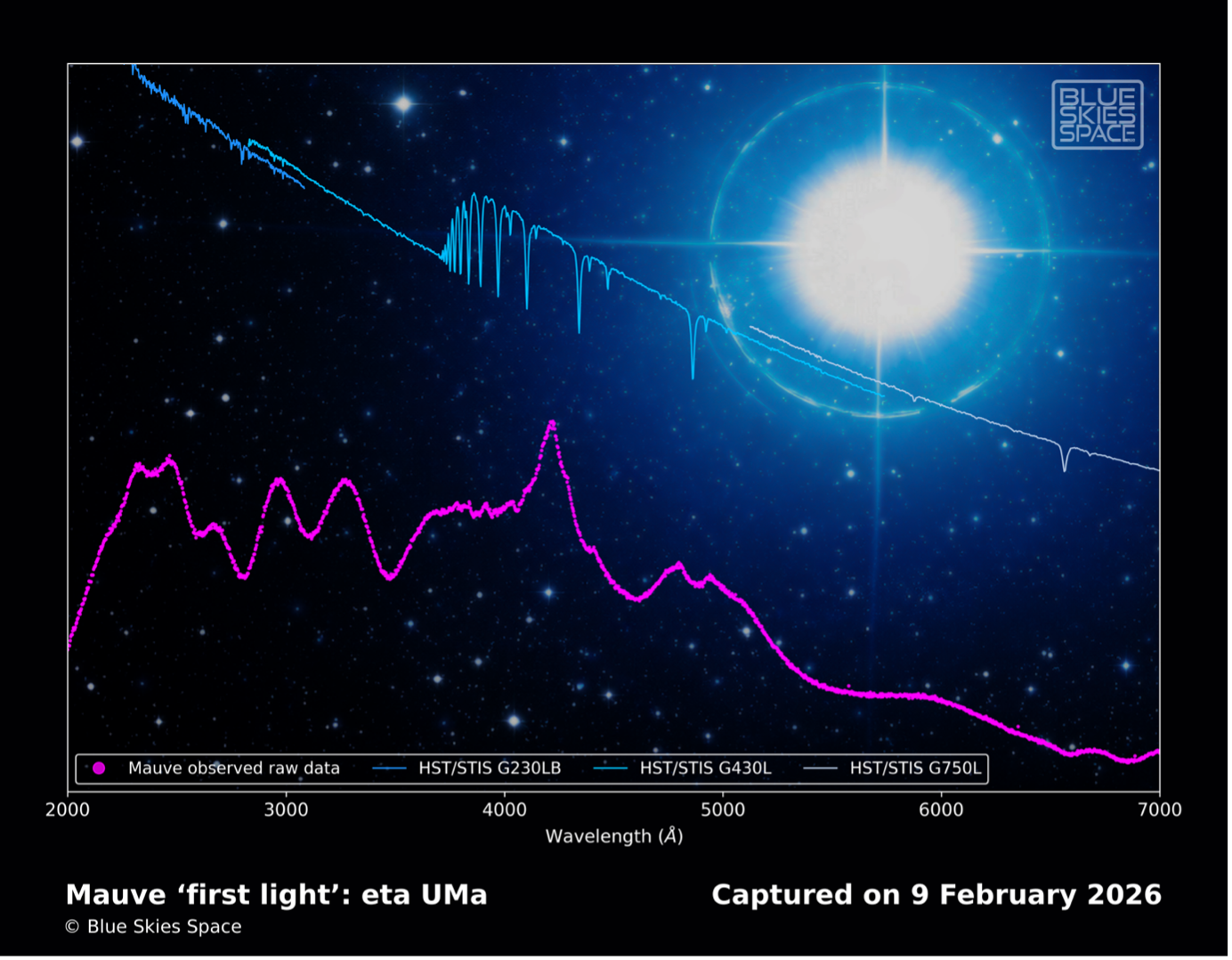
About the DPS

The Division for Planetary Sciences (DPS), founded in 1968, is the largest special-interest Division of the American Astronomical Society (AAS). Members of the DPS study the bodies of our own solar system, from planets and moons to comets and asteroids, and all other solar-system objects and processes. With the discovery that planets exist around other stars, the DPS has expanded its scope to include the study of extrasolar planetary systems as well. The American Astronomical Society (AAS), established in 1899, is the major organization of professional astronomers in North America. The mission of the AAS is to enhance and share humanity’s scientific understanding of the universe as a diverse and inclusive astronomical community, which it achieves through publishing, meeting organization, science advocacy, education and outreach, and training and professional development.

EPSC-DPS2025: Predicting the Green Glow of Aurorae on the Red Planet

Predicting the Green Glow of Aurorae on the Red Planet

Joint Meeting of the Europlanet Science Congress and the American Astronomical Society’s Division for Planetary Science (EPSC-DPS2025) Press Release

EMBARGOED FOR 08:00 EEST (05:00 UTC) ON WEDNESDAY, 10 SEPTEMBER 2025

Planetary scientists believe they can now predict the green glow of an aurora in the night sky above Mars, and they have the images to prove it.

The first observations of a visible-light aurora from the surface of the Red Planet were made by NASA’s Perseverance Mars rover in 2024. Now, presenting at the Europlanet Science Congress–Division of Planetary Science (EPSC–DPS) joint meeting in Helsinki this week, Dr Elise Wright Knutsen of the University of Oslo will reveal a second snapshot of the aurora by Perseverance and, more importantly, the tools to predict when an aurora will occur on Mars.

‘The fact that we captured the aurora again demonstrates that our method for predicting aurorae on Mars and capturing them works,’ said Knutsen, who was also the science lead for the first image of a martian aurora seen from the ground.

Aurorae are produced when a burst of energetic particles in the solar wind, belched out by a coronal mass ejection (CME) from the Sun, collide with molecules in the atmosphere, causing them to glow. Mars’s aurorae glow green as a result of the charged particles colliding with oxygen atoms high above the Red Planet, and could be bright enough that astronauts on Mars would be able to see them with the naked eye. Furthermore, because Mars does not have a magnetic field to direct the charged particles to the magnetic poles, which is where we generally see aurorae on Earth, the martian aurorae are seen all across the night-side of the planet at the same as a glow in the sky. This is called ‘diffuse’ aurora.

The same radiation that causes the aurora could also potentially be dangerous to astronauts without warning that they must take shelter, so having some idea of when a powerful solar storm will hit Mars is crucial if humans are going to one day survive on the surface.

Nonetheless, predicting aurorae on Mars is a complex business. Observations have to be planned and uploaded to the rover three days ahead once a CME bursts out in the direction of Mars. This means a lot of guesswork as to which solar storms will produce an aurora.

Knutsen’s team made eight attempts to view the aurora with Perseverance’s SuperCam and MastCam cameras between 2023 and 2024, and they found it to be a process of trial and error. The first three attempts saw nothing, but by retrospectively analysing conditions as measured by NASA’s MAVEN and the ESA’s Mars Express orbiters, Knutsen and her colleagues realised that the velocities of those CMEs had likely not been fast enough to create a solar wind disturbance at Mars.

‘The faster the CME, the more likely it is to accelerate particles towards Mars that create aurorae, and the stronger the solar wind disturbance around Mars, the more likely it is that those particles make it into Mars’s nightside atmosphere,’ said Knutsen. ‘Later, we progressively targeted faster, more intense CMEs, and that’s when we found our first two detections.’

The final three CMEs also didn’t produce aurorae, even though they met the criteria that Knutsen was looking for. 

‘The last three non-detections are more curious,’ she said. ‘Statistically there is also a degree of randomness to these things, so sometimes we’re just unlucky. This perhaps isn’t that surprising, since predicting the aurora on Earth down to minute precision isn’t an exact science either.’

Aurorae on Mars have previously been observed from orbit in ultraviolet light by ESA’s Mars Express and NASA’s MAVEN missions. Now, with the addition of visible-light detections, there is a growing dataset of observations for improving the accuracy of the aurora predictions. With further observations to come, they will hopefully help solve some ongoing mysteries about how the auroral lights are triggered on Mars. 

‘There is still much we don’t understand about how aurora occur on Mars as, unlike Earth, there is no global magnetic field to guide energetic solar particles onto the nightside where the aurora can be seen,’ said Knutsen. ‘Comparing the timing of solar wind disturbances, the arrival of solar energetic particles and the intensity and timing of aurora will advance our knowledge in this area.’

Further information

EPSC–DPS2025-1314 Green-Line Aurora Detection Attempts From the Surface of Mars

Elise Wright Knutsen, Timothy H. McConnochie, Mark Lemmon, Shayla Viet, Agnes Cousin, Roger C. Wiens, and James F. Bell, https://doi.org/10.5194/epsc-dps2025-1314

This research was funded by the Research Council of Norway, and the NASA Mars 2020 Program.

Images

An artist’s impression of how the aurora might appear in the sky above the Perseverance rover. Image credit: Alex McDougall-Page, University of Strathclyde / AstrollCareers.

Mars_aurora_Perseverance.tiff

An artist’s impression of how the aurora might appear in the sky above the Perseverance rover. Image credit: Alex McDougall-Page, University of Strathclyde/AstrollCareers.

https://www.europlanet.org/wp-content/uploads/2025/09/Mars_aurora_Perseverance.tiff

SCAM_ZCAM.tiff

Four images from Perseverance’s Mastcam-Z. The left hand-side images show both detections of the aurora, on 18 March and 18 May 2024. On the right are non-detections with comparable sky illumination (from Mars’s moons) to show the contrast in colours between a night with aurora and a night with no aurora. The March event was about twice as intense as the May event. The sky was also much dustier in May, which led to fewer stars being visible. The sky is generally much brighter and warmer in color in March due to Phobos, Mars’s largest moon, being in the sky. The coloured boxes show (from top to bottom): the theoretical aurora color for these images, the average sky colour, and the bottom boxes show the sky colour with the aurora signal removed or added, for left and right column respectively. This is to show what the colour of the sky would have been, theoretically, with no aurora that night, or with aurora for the comparison images. If all conditions were identical, then the two bottom boxes should diagonally have the same color, which worked close to perfectly for the May event. Below the images is the spectra from the rover’s SuperCam that identifies the green glow as the 557.7nm atomic oxygen auroral emission, indicated by the vertical green line. The solid lines are the real measurements for the two detections, while the dashed lines show our aurora model, demonstrating that the calculations estimating the aurora’s brightness from the surface with the measured dust amount corresponds very well with the observed aurora intensity. Image credit: Elise Wright Knutsen et al.

https://www.europlanet.org/wp-content/uploads/2025/09/SCAM_ZCAM.tiff

Note: A print-resolution version of the Perseverance images can be downloaded from iCloud at https://tinyurl.com/cfv4vntt until 3rd October 2025. After this date please contact the EPSC-DPS2025 Press Office or Elise Wright Knutsen for the high-res version.

Contacts

Elise Wright Knutsen

University of Oslo

elisewkn@uio.no

EPSC-DPS2025 Press Office

press@europlanet.org

Notes for Editors

About the Joint Meeting of the Europlanet Science Congress and the Division of Planetary Sciences (EPSC-DPS) 

The Europlanet Science Congress (EPSC), established in 2006 as the European Planetary Science Congress, is the largest planetary science meeting in Europe. It covers the entire range of planetary sciences, with an extensive mix of talks, workshops and poster sessions, as well as providing a unique space for networking and exchanges of experiences.

EPSC joined forces for the first time with the American Astronomical Society’s Division for Planetary Sciences (DPS) for a joint meeting in Nantes, France, in 2011. This was followed by DPS-EPSC 2016 in Pasadena, EPSC-DPS 2019 in Geneva, and the return to the United States for the DPS-EPSC 2023 meeting in San Antonio. This year will mark the third iteration of a joint European-based meeting. The intent of the joint meetings is not only to connect the European and North American planetary science communities, but also to consolidate two major meetings and motivate planetary scientists from all over the globe to attend.

Follow on social media (BlueskyX and LinkedIn) with the hashtag #EPSC-DPS2025 for updates on the meeting.

About Europlanet

Europlanet (europlanet.org) is a non-profit association and membership organisation that provides the planetary science community with access to research infrastructure, services and training. The Europlanet Association Sans But Lucratif (AISBL), established in 2023, builds on the heritage of a series of projects funded by the European Commission between 2005 and 2024 (Grant Numbers 871149, 654208, 228319 and RICA-CT-2004-001637) to support the planetary science community in Europe and around the world. 
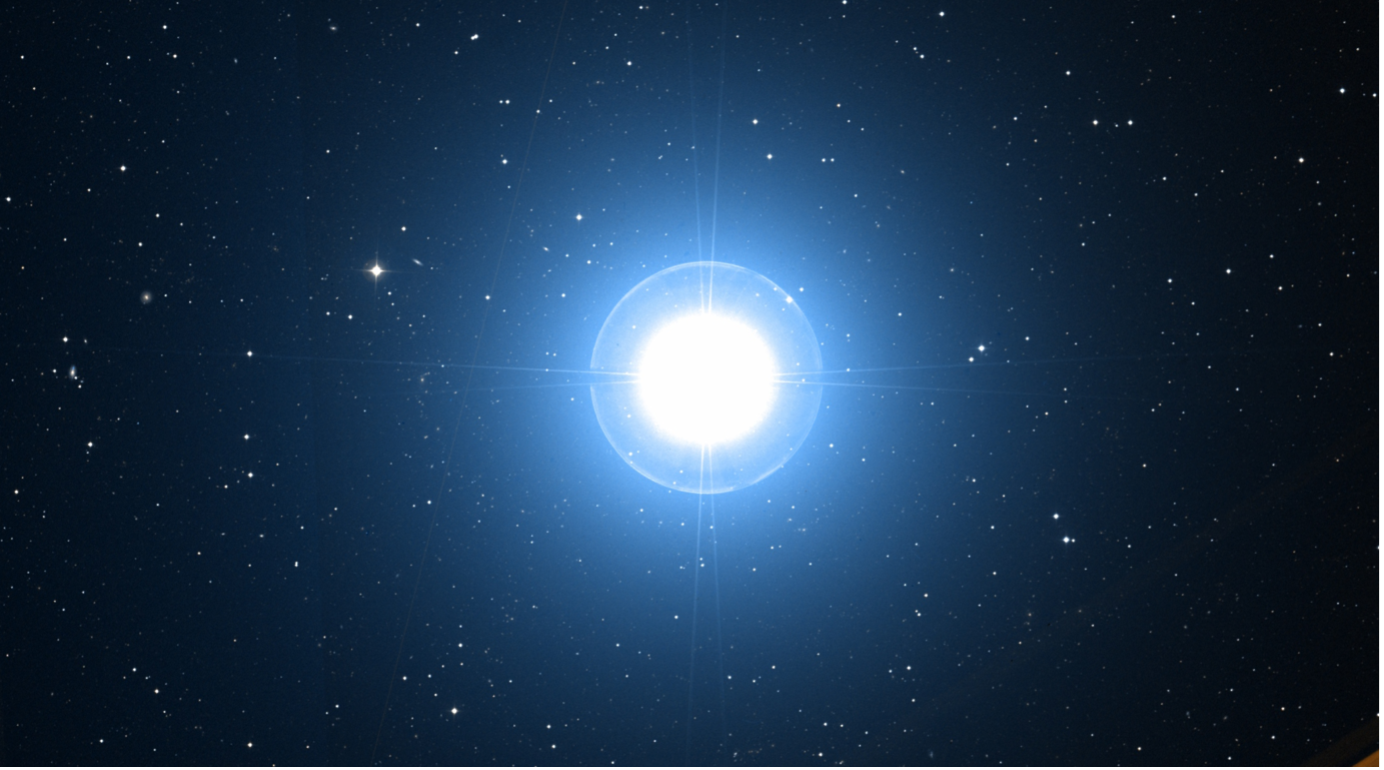
About the DPS

The Division for Planetary Sciences (DPS), founded in 1968, is the largest special-interest Division of the American Astronomical Society (AAS). Members of the DPS study the bodies of our own solar system, from planets and moons to comets and asteroids, and all other solar-system objects and processes. With the discovery that planets exist around other stars, the DPS has expanded its scope to include the study of extrasolar planetary systems as well. The American Astronomical Society (AAS), established in 1899, is the major organization of professional astronomers in North America. The mission of the AAS is to enhance and share humanity’s scientific understanding of the universe as a diverse and inclusive astronomical community, which it achieves through publishing, meeting organization, science advocacy, education and outreach, and training and professional development.

EPSC-DPS2025: Artificial intelligence drives the discovery of new exoplanets

EPSC-DPS2025: Artificial intelligence drives the discovery of new exoplanets

Researchers from the University of Bern have developed an Artificial Intelligence (AI) model capable of predicting the architecture of planetary systems and subsequently inferring the presence of yet-to-be-discovered planets. They use the so-called Transformer architecture which is the basis of the Large Language Models powering tools like the recently launched Swiss model Apertus or chatbots such as ChatGPT. The findings have been presented this week at the Joint Meeting of the Europlanet Science Congress and the Division for Planetary Sciences (EPSC-DPS) 2025 in Helsinki.

For more than two decades, researchers at the University of Bern have developed the so-called ‘Bern model’, a suite of computer programs that can numerically simulate the formation of planetary systems, thus shedding light on system architecture. These models are, however, very complex: each simulation from the Bern model can take a few days to a few weeks to be computed using modern super-computers.

Using modern AI techniques trained on the Bern model data, Prof. Yann Alibert and Sara Marques from the NCCR PlanetS and the Center for Space and Habitability of the University of Bern, and Dr. Jeanne Davoult, former PhD student of the University of Bern and now researcher at the DLR in Berlin, have developed an AI model capable of computing the formation of planetary systems in seconds, a million times faster than traditional computations. The study has just been published in the journal Astronomy and Astrophysics and was also presented last week at the ‘Fast Machine Learning for Science’ conference in Zurich.

Knowing where to observe

Present day and near future observational facilities will soon be able to observe and characterize extrasolar planets similar to the Earth, while they so far have been limited to planets closer to their host stars. “Earth-like planet detection requires large amount of observing time. In this context, knowing where to observe is very important to save very costly observation time”, explains Yann Alibert, first author of the study. 

In order to prioritize between different possible targets, one can use the observations of easier-to-observe other planets in the same systems. This, however, requires a profound understanding of the so-called architecture of a system: how the properties (orbital position, mass, etc.) of one planet in a system relate to the properties of other planets in the same system.

Inspired by Large Language Models

The team trained its AI model on tens of thousands of numerical simulations of planetary system formation also developed at the University of Bern. “The new AI model can be used to predict the presence and properties of yet-to-be-discovered additional planets in already known extrasolar planetary systems”, as Sara Marques, PhD student at the University of Bern, points out.

In an experiment presented in the current study, the authors showed that in a real three-planet system, the properties of the second and third planet can be inferred from the properties of the innermost planet of the system. Alibert explains: “This approach can be used to generate new planetary systems: Knowing a single planet in a system, we can predict the rest of the planets for systems of three planets with our model.” Alibert continues: “The key in our study was to realize that planetary systems can be seen as sequences of planets, exactly as sentences are sequences of words. This triggered the idea of using the AI methods from Large Language Models, used for instance by chatbots such as ChatGPT, to build our AI model.”

The authors used the so-called ‘Transformer architecture’ introduced in the field in 2017 to create a generative model that can produce sequences of planets orbiting the same stars. “The Large Language Models predict the rest of a sentence based on the sequence created by the first few words. In our case, we predict the sequence of outer planets in a system, based on the first inner ones,” further explains Marques.

“This new study builds upon a previous AI model encouraging results,” points out Dr. Jeanne Davoult, former student in the NCCR PlanetS, now working at the DLR Berlin. “In the last model, based on the inner planet of a system, we were predicting the probability of an Earth-like planet to be in the system. Keeping the analogy with language models, it was like predicting the presence of a specific word in a sentence, based on its beginning. In this new study, we predict all the rest of the sentence and not only the probability of a single word.”

“The results of the generative AI model were so accurate that we were very skeptical at first,” remembers Marques. A large range of tests were made by the researchers, in which they used machine learning classifiers, and they submitted their results to other scientists. “In the end, they all concluded the same: generated planetary systems are virtually indistinguishable from numerical simulations,” continues Marques.

Preparing for the PLATO mission and others

Scheduled to be launched in 2026, the ESA PLATO mission will discover thousands of planetary systems, with the planet closest to the star being, in general, the first to be observed. Some of these systems could harbor planets like the Earth, yet these will likely be discovered by ground-based telescope using other observations later.

“Our new AI model could be used to prioritize the observations of these systems by telescope, enhancing the probability to find Earth twins”, says Davoult. In the coming years, the models will be extended to predict more properties of planets, such as their composition or habitability. “When I was hired as a postdoc in 2001, I initiated numerical simulations of planetary systems at the University of Bern. This new AI model is the natural continuation of this Bernese expertise”, says Alibert. “AI is now present in everyone’s life, I am convinced it will more and more be key in scientific discoveries, in planetary sciences and elsewhere”, he concludes.

Publication details:Alibert, Y, Davoult, J., Marques, S., 2025, A transformer-based generative model for planetary systems, Astronomy and Astrophysics.
URL: https://www.aanda.org/articles/aa/full_html/2025/09/aa52297-24/aa52297-24.html
DOI: 10.1051/0004-6361/202452297

Contacts

EPSC–DPS 2025 Press Office
press@europlanet.org

Image

The generative AI model of the University of Bern is able to create synthetic planetary systems. Credit: UniBE / NCCR PlanetS, Illustration: Thibaut Roger.

https://www.europlanet.org/wp-content/uploads/2025/09/01_20250909_Medienmitteilung_UniBE_KI_Exoplanetenforschung_Illustration©NCCRPlanetS_ThibautRoger_web.jpg

Notes for Editors

About the Joint Meeting of the Europlanet Science Congress and the Division of Planetary Sciences (EPSC-DPS) 

The Europlanet Science Congress (EPSC), established in 2006 as the European Planetary Science Congress, is the largest planetary science meeting in Europe. It covers the entire range of planetary sciences, with an extensive mix of talks, workshops and poster sessions, as well as providing a unique space for networking and exchanges of experiences.

EPSC joined forces for the first time with the American Astronomical Society’s Division for Planetary Sciences (DPS) for a joint meeting in Nantes, France, in 2011. This was followed by DPS-EPSC 2016 in Pasadena, EPSC-DPS 2019 in Geneva, and the return to the United States for the DPS-EPSC 2023 meeting in San Antonio. This year will mark the third iteration of a joint European-based meeting. The intent of the joint meetings is not only to connect the European and North American planetary science communities, but also to consolidate two major meetings and motivate planetary scientists from all over the globe to attend. With around 1800 participants expected to join in person and online, EPSC-DPS2025 will be the largest planetary science meeting held to date in Europe.

Follow on social media (BlueskyX and LinkedIn) with the hashtag #EPSC-DPS2025 for updates on the meeting.

About Europlanet

Europlanet (europlanet.org) is a non-profit association and membership organisation that provides the planetary science community with access to research infrastructure, services and training. The Europlanet Association Sans But Lucratif (AISBL), established in 2023, builds on the heritage of a series of projects funded by the European Commission between 2005 and 2024 (Grant Numbers 871149, 654208, 228319 and RICA-CT-2004-001637) to support the planetary science community in Europe and around the world. 
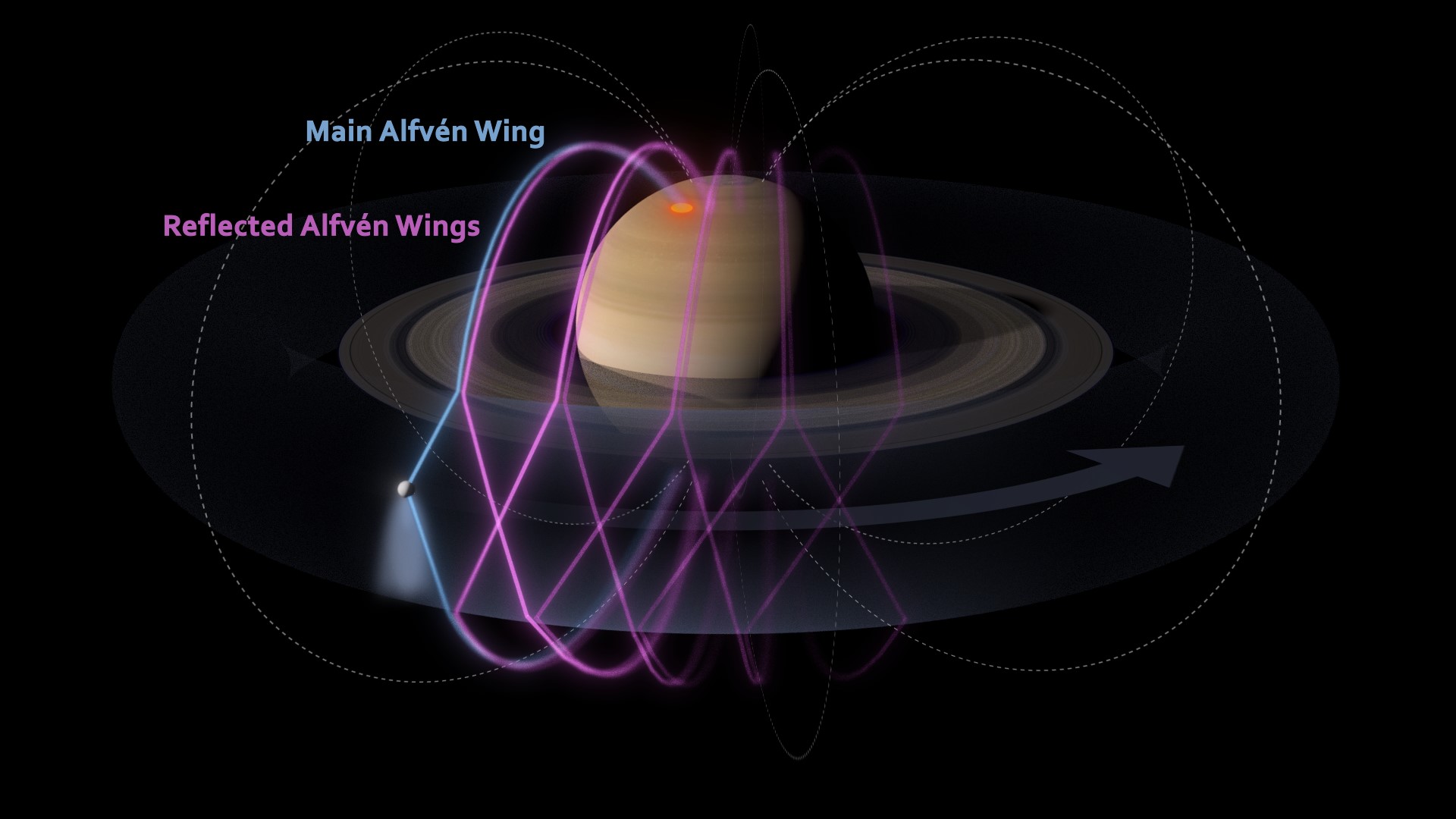
About the DPS

The Division for Planetary Sciences (DPS), founded in 1968, is the largest special-interest Division of the American Astronomical Society (AAS). Members of the DPS study the bodies of our own solar system, from planets and moons to comets and asteroids, and all other solar-system objects and processes. With the discovery that planets exist around other stars, the DPS has expanded its scope to include the study of extrasolar planetary systems as well. The American Astronomical Society (AAS), established in 1899, is the major organization of professional astronomers in North America. The mission of the AAS is to enhance and share humanity’s scientific understanding of the universe as a diverse and inclusive astronomical community, which it achieves through publishing, meeting organization, science advocacy, education and outreach, and training and professional development.

Bern Model of Planet Formation and Evolution

Statements can be made about how a planet was formed and how it has evolved using the “Bern Model of Planet Formation and Evolution”. The Bern model has been continuously developed at the University of Bern since 2001. Insights into the manifold processes involved in the formation and evolution of planets are integrated into the model. These are, for example, sub models of accretion (growth of a planet’s core) or of how planets interact gravitationally and influence each other, and of processes in the protoplanetary disks in which planets are formed. The model is also used to create so-called population syntheses, which show how often planets form in a protoplanetary disk under certain conditions. 

Bernese space exploration

With the world’s elite since the first moon landingWhen the second man, “Buzz” Aldrin, stepped out of the lunar module on July 21, 1969, the first task he did was to set up the Bernese Solar Wind Composition experiment (SWC) also known as the “solar wind sail” by planting it in the ground of the moon, even before the American flag. This experiment, which was planned, built and the results analyzed by Prof. Dr. Johannes Geiss and his team from the Physics Institute of the University of Bern, was the first great highlight in the history of Bernese space exploration.Ever since Bernese space exploration has been among the world’s elite, and the University of Bern has been participating in space missions of the major space organizations, such as ESA, NASA, and JAXA. With CHEOPS the University of Bern shares responsibility with ESA for a whole mission. In addition, Bernese researchers are among the world leaders when it comes to models and simulations of the formation and development of planets.The successful work of the Space Research and Planetary Sciences Division (WP) from the Physics Institute of the University of Bern was consolidated by the foundation of a university competence center, the Center for Space and Habitability (CSH). The Swiss National Fund also awarded the University of Bern the National Center of Competence in Research (NCCR) PlanetS, which it manages together with the University of Geneva.

EPSC-DPS2025: Study Questions Ocean Origin of Organics in Enceladus’s Plumes 

EPSC-DPS2025: Study Questions Ocean Origin of Organics in Enceladus’s Plumes 

Joint Meeting of the Europlanet Science Congress and the American Astronomical Society’s Division for Planetary Science (EPSC-DPS2025) Press Release

EMBARGOED FOR 08:00 EEST (05:00 UTC) ON TUESDAY, 09 SEPTEMBER 2025

Organic molecules detected in the watery plumes that spew out from cracks in the surface of Enceladus could be formed through exposure to radiation on Saturn’s icy moon, rather than originating from deep within its sub-surface ocean. The findings, presented during the EPSC–DPS2025 Joint Meeting in Helsinki this week, have repercussions for assessing the habitability of Enceladus’s ocean.

‘While the identification of complex organic molecules in Enceladus’s environment remains an important clue in assessing the moon’s habitability, the results demonstrate that radiation-driven chemistry on the surface and in the plumes could also create these molecules,’ said Dr Grace Richards, of the Istituto Nazionale di Astrofisica e Planetologia Spaziale (INAF) in Rome, who presented the results at the meeting.

The plumes were discovered in 2005 by NASA’s Cassini spacecraft. They emanate from long fractures called ‘tiger stripes’ that are located in Enceladus’s south polar region. The water comes from a sub-surface ocean, and the energy to heat the ocean and produce the plumes is the result of gravitational tidal forces from massive Saturn flexing Enceladus’s interior.

Cassini flew through the plumes, ‘tasting’ some of the molecules within them and finding them to be rich in salts as well as containing a variety of organic compounds. As organic compounds, dissolved in a subsurface ocean of water, could build into prebiotic molecules that are the precursors to life, these findings were of great interest to astrobiologists.

However, results of experiments by Richards and her colleagues show that the exposure to radiation trapped in Saturn’s powerful magnetosphere could trigger the formation of these organic compounds on Enceladus’s icy surface instead. This calls into question their astrobiological relevance.

Richards, with funding from Europlanet, visited facilities at the HUN-REN Institute for Nuclear Physics in Hungary, where she and colleagues simulated the composition of ice on the surface and in the walls of Enceladus’s tiger stripes. This ice contained water, carbon dioxide, methane and ammonia and was cooled to -200 degrees Celsius. Richards’s team then bombarded the ice with ions – atoms and molecules stripped of an electron – to replicate the radiation environment around Enceladus. The ions reacted with the icy components, creating a whole swathe of molecular species, including carbon monoxide, cyanate and ammonium. They also produced molecular precursors to amino acids, chains of which form proteins that drive metabolic reactions, repair cells and convey nutrients in lifeforms.

Some of these compounds have previously been detected on the surface of Enceladus, but others have also been identified in the plumes. 

‘Molecules considered prebiotic could plausibly form in situ through radiation processing, rather than necessarily originating from the subsurface ocean,’ said Richards. ‘Although this doesn’t rule out the possibility that Enceladus’s ocean may be habitable, it does mean we need to be cautious in making that assumption just because of the composition of the plumes.’

Understanding how to differentiate between ocean-derived organics and molecules formed by radiation interacting with the surface and the tiger stripes will be highly challenging. More data from future missions will be required, such as a proposed Enceladus mission that is currently under consideration as part of the Voyage 2050 recommendations for the European Space Agency (ESA)’s science programme up until the middle of the century.

Further information

EPSC-DPS2025-264 Water-Group Ion Irradiation Studies of Enceladus Surface Analogues

Grace Richards, Richárd Rácz, Sándor Kovács, Victoria Pearson, Geraint Morgan, Manish Patel, Simon Sheridan, Duncan Mifsud, Béla Sulik, Sándor Biri and Zoltán Juhász, https://doi.org/10.5194/epsc-dps2025-264

This study was supported by the Europlanet 2024 RI Transnational Access programme, which received funding from the European Union’s Horizon 2020 research and innovation programme under grant agreement No 871149. Funding was also received from the COST Actions CA20129 MultIChem and CA22133 PLANETS, supported by COST (European Cooperation in Science and Technology). Grace Richards is grateful for doctoral funding from the Research England ‘Expanding Excellence in England’ fund (grant code 124.18).

Images

An artist’s impression of plumes erupting onto the surface of Enceladus. Its fellow moon Titan is seen in the sky, and the distant Sun beyond. Image credit: ESA/Science Office.

https://www.esa.int/var/esa/storage/images/esa_multimedia/images/2021/06/moons_of_the_giant_planets/23344780-1-eng-GB/Moons_of_the_giant_planets.jpg

Enceladus, imaged by the Cassini spacecraft. Image credit: NASA/JPL/Space Science Institute.

https://assets.science.nasa.gov/dynamicimage/assets/science/psd/solar/2023/07/PIA11133.jpg?w=1972&h=2848&fit=clip&crop=faces%2Cfocalpoint

Enceladus’s plumes seen spraying up from the tiger stripes. Image credit: NASA/JPL/Space Science Institute.

https://assets.science.nasa.gov/dynamicimage/assets/science/psd/solar/2023/06/4852_PIA11688.jpg?w=1580&h=977&fit=clip&crop=faces%2Cfocalpoint

Contacts

Grace Richards
Istituto Nazionale di Astrofisica (INAF), Rome, Italy
grace.richards@inaf.it

EPSC-DPS2025 Press Office
press@europlanet.org 

Notes for Editors

About the Joint Meeting of the Europlanet Science Congress and the Division of Planetary Sciences (EPSC-DPS) 

The Europlanet Science Congress (EPSC), established in 2006 as the European Planetary Science Congress, is the largest planetary science meeting in Europe. It covers the entire range of planetary sciences, with an extensive mix of talks, workshops and poster sessions, as well as providing a unique space for networking and exchanges of experiences.

EPSC joined forces for the first time with the American Astronomical Society’s Division for Planetary Sciences (DPS) for a joint meeting in Nantes, France, in 2011. This was followed by DPS-EPSC 2016 in Pasadena, EPSC-DPS 2019 in Geneva, and the return to the United States for the DPS-EPSC 2023 meeting in San Antonio. This year will mark the third iteration of a joint European-based meeting. The intent of the joint meetings is not only to connect the European and North American planetary science communities, but also to consolidate two major meetings and motivate planetary scientists from all over the globe to attend.

Follow on social media (BlueskyX and LinkedIn) with the hashtag #EPSC-DPS2025 for updates on the meeting.

About Europlanet

Europlanet (europlanet.org) is a non-profit association and membership organisationthat provides the planetary science community with access to research infrastructure, services and training. The Europlanet Association Sans But Lucratif (AISBL), established in 2023, builds on the heritage of a series of projects funded by the European Commission between 2005 and 2024 (Grant Numbers 871149, 654208, 228319 and RICA-CT-2004-001637) to support the planetary science community in Europe and around the world. 

About the DPS

The Division for Planetary Sciences (DPS), founded in 1968, is the largest special-interest Division of the American Astronomical Society (AAS). Members of the DPS study the bodies of our own solar system, from planets and moons to comets and asteroids, and all other solar-system objects and processes. With the discovery that planets exist around other stars, the DPS has expanded its scope to include the study of extrasolar planetary systems as well. The American Astronomical Society (AAS), established in 1899, is the major organization of professional astronomers in North America. The mission of the AAS is to enhance and share humanity’s scientific understanding of the universe as a diverse and inclusive astronomical community, which it achieves through publishing, meeting organization, science advocacy, education and outreach, and training and professional development.

EPSC-DPS2025: Look Out for the Keyhole: How to Find the Safest Spots to Deflect a Hazardous Asteroid

Look Out for the Keyhole: How to Find the Safest Spots to Deflect a Hazardous Asteroid

Joint Meeting of the Europlanet Science Congress and the American Astronomical Society’s Division for Planetary Science (EPSC-DPS2025) Press Release

Selecting the right spot to smash a spacecraft into the surface of a hazardous asteroid to deflect it must be done with great care, according to new research presented at the EPSC-DPS2025 Joint Meeting this week in Helsinki. Slamming into its surface indiscriminately runs the risk of knocking the asteroid through a ‘gravitational keyhole’ that sends it back around to hit Earth at a later date.

“Even if we intentionally push an asteroid away from Earth with a space mission, we must make sure it doesn’t drift into one of these keyholes afterwards. Otherwise, we’d be facing the same impact threat again down the line,” said Rahil Makadia, a NASA Space Technology Graduate Research Opportunity Fellow at the University of Illinois at Urbana-Champaign, who is presenting the findings at the EPSC-DPS2025 meeting.

NASA’s DART, the Double Asteroid Redirection Test mission, struck the small asteroid Dimorphos, which is in orbit around the larger asteroid Didymos, in September 2022. DART was a ‘kinetic impactor’ – effectively a projectile that slammed into the asteroid with enough energy to nudge it into a new orbit, thereby proving that it is possible to deflect an asteroid that could be on a collision course with Earth.

A European Space Agency mission called Hera will follow-up on the DART impact when it reaches Didymos and Dimorphos in December 2026.

Where DART struck on Dimorphos was of relatively little concern, since the Didymos system is too massive to be deflected onto a collision course with Earth. However, for another hazardous asteroid orbiting the Sun, even a small variation in its orbit could send it through a gravitational keyhole.

The keyhole effect revolves around a small region of space where a planet’s gravity can modify a passing asteroid’s orbit such that it returns on a collision course with that planet at a later date. In this way, a gravitational keyhole unlocks more dangerous orbits.

Should a kinetic impactor mission similar to DART nudge a hazardous asteroid so that it passes through a gravitational keyhole, then it only postpones the danger.

“If an asteroid passed through one of these keyholes, its motion through the Solar System would steer it onto a path that causes it to hit Earth in the future,” said Makadia.

The trick, therefore, is to find the best spot on the surface of an asteroid to impact with a spacecraft so that the chances of pushing it through the keyhole are minimised.

Each point on the surface of an asteroid has a different probability of sending the asteroid through a gravitational keyhole after deflection by a kinetic impactor. Makadia’s team has therefore developed a technique for computing probability maps of an asteroid’s surface. Their method uses the results from DART as a guide, although each asteroid, with its own characteristics, will be subtly different.

The asteroid’s shape, surface topology (hills, craters etc), rotation and mass all must be determined first. Ideally this would be done with a space mission to rendezvous with the asteroid, producing high-resolution images and data. However, this might not be possible for all threatening asteroids, particularly if the time between discovery and impact on Earth is short.

“Fortunately, this entire analysis, at least at a preliminary level, is possible using ground-based observations alone, although a rendezvous mission is preferred,” said Makadia.

By computing the subsequent trajectory of the asteroid following a kinetic impact, and seeing which trajectories would be the most dangerous, scientists can calculate where the safest location to strike on the asteroid’s surface will be.

“With these probability maps, we can push asteroids away while preventing them from returning on an impact trajectory, protecting the Earth in the long run,” said Makadia.

Further information

EPSC-DPS2025-77 Keyhole-Based Site Selection for Kinetic Impact Deflection of Near-Earth Asteroids

Rahil Makadia, Steven Chesley, Davide Farnocchia and Siegfried Eggl, doi.org/10.5194/epsc-dps2025-77

The work was funded by a NASA Space Technology Graduate Research Opportunities (NSTGRO) award, NASA contract No. 80NSSC22K1173.

Information on DART can be found at https://dart.jhuapl.edu/. Details relating to Hera are available at https://www.esa.int/Space_Safety/Hera.

Images

An artwork of NASA’s DART mission, which was a kinetic impactor designed to test whether it is possible to deflect an asteroid. Image credit: NASA/Johns Hopkins APL.

https://dart.jhuapl.edu/Gallery/media/graphics/lg/DART_still-revisedA.jpg

One of the keyhole probability maps of the asteroid Bennu, The crosshair corresponds to the location on the surface that minimises the asteroid impact hazard after deflection. The maps assume a 25-metre targeting uncertainty for a kinetic impactor mission. As a result, deflection sites that could result in the kinetic impactor missing as a result of this uncertainty are not considered and form a grey boundary around the targetable region of the asteroid. Image credit: Rahil Makadia.

You can watch an animation of the keyhole probability map of Bennu here:

https://youtube.com/watch?v=XYPD-pKwqNs

Contacts

Rahil Makadia
University of Illinois, Urbana–Champaign
makadia2@illinois.edu

EPSC–DPS 2025 Press Office
press@europlanet.org

Notes for Editors

About the Joint Meeting of the Europlanet Science Congress and the Division of Planetary Sciences (EPSC-DPS) 

The Europlanet Science Congress (EPSC), established in 2006 as the European Planetary Science Congress, is the largest planetary science meeting in Europe. It covers the entire range of planetary sciences, with an extensive mix of talks, workshops and poster sessions, as well as providing a unique space for networking and exchanges of experiences.

EPSC joined forces for the first time with the American Astronomical Society’s Division for Planetary Sciences (DPS) for a joint meeting in Nantes, France, in 2011. This was followed by DPS-EPSC 2016 in Pasadena, EPSC-DPS 2019 in Geneva, and the return to the United States for the DPS-EPSC 2023 meeting in San Antonio. This year will mark the third iteration of a joint European-based meeting. The intent of the joint meetings is not only to connect the European and North American planetary science communities, but also to consolidate two major meetings and motivate planetary scientists from all over the globe to attend. With around 1800 participants expected to join in person and online, EPSC-DPS2025 will be the largest planetary science meeting held to date in Europe.

Follow on social media (BlueskyX and LinkedIn) with the hashtag #EPSC-DPS2025 for updates on the meeting.

About Europlanet

Europlanet (europlanet.org) is a non-profit association and membership organisation that provides the planetary science community with access to research infrastructure, services and training. The Europlanet Association Sans But Lucratif (AISBL), established in 2023, builds on the heritage of a series of projects funded by the European Commission between 2005 and 2024 (Grant Numbers 871149, 654208, 228319 and RICA-CT-2004-001637) to support the planetary science community in Europe and around the world. 

About the DPS

The Division for Planetary Sciences (DPS), founded in 1968, is the largest special-interest Division of the American Astronomical Society (AAS). Members of the DPS study the bodies of our own solar system, from planets and moons to comets and asteroids, and all other solar-system objects and processes. With the discovery that planets exist around other stars, the DPS has expanded its scope to include the study of extrasolar planetary systems as well. The American Astronomical Society (AAS), established in 1899, is the major organization of professional astronomers in North America. The mission of the AAS is to enhance and share humanity’s scientific understanding of the universe as a diverse and inclusive astronomical community, which it achieves through publishing, meeting organization, science advocacy, education and outreach, and training and professional development.

Reminder: Final Media Invitation for EPSC-DPS2025 and Details of Media Briefings on RAMSES and Juno Missions

Reminder: Final Media Invitation for EPSC-DPS2025 and Details of Media Briefings on RAMSES and Juno Missions

Joint Meeting of the Europlanet Science Congress and the American Astronomical Society’s Division for Planetary Science (EPSC-DPS2025), 7-12 September, Helsinki, Finland

The Europlanet Science Congress 2025 will be held jointly with the annual meeting of the American Astronomical Society’s Division of Planetary Science (EPSC-DPS2025) from 7–12 September 2025 at Finlandia Hall, Helsinki, Finland. With around 1800 participants expected to join in person and online, it will be the largest planetary science meeting held to date in Europe.

Press briefings will be livestreamed and press notices on presentations of interest to the media will be issued by the EPSC-DPS2025 Press Office during the meeting.

PRESS BRIEFINGS

Two press briefings will be held during the week: 

  • Monday, 08 September 2025. Topic: RAMSES mission to asteroid Apophis
  • Thursday, 11 September 2025. Topic: Recent Discoveries with the Juno Mission.

To attend press briefings in-person, please register as media for EPSC-DPS2025 by emailing press@europlanet.org. The press briefings will take place in the Press Conference Room, which can be accessed from the Press Entrance to the Congress Wing on the Mannerheimintie side of Finlandia Hall. To attend online, please follow the Zoom registration links below.

16:30-17:15 EEST (UTC+3), Monday, 08 September 2025

EPSC-DPS2025 Press Briefing: Update on the RAMSES mission to asteroid Apophis

ESA’s Space Safety programme has started preparatory work for its next planetary defence candidate mission – the Rapid Apophis Mission for Space Safety (RAMSES). Its main objective is the characterisation of the asteroid (99942) Apophis before, during and after its close encounter with Earth in April 2029. The findings will provide crucial knowledge on the properties and response of a small asteroid to external actions (here, Earth’s tidal forces), and therefore improve our ability to defend our planet from any similar object found to be on a collision course in the future. The briefing will give an update on the mission goals, payload, development and international participation. Europe’s space ministers will decide at ESA’s Ministerial Council in November 2025 whether to support RAMSES for launch.  

16:30 EEST: Welcome

Anita Heward, Press Officer, EPSC-DPS2025.

16:35 EEST: Speakers

  • Monica Lazzarin (University of Padova) and Patrick Michel (CNRS / Observatoire de la Côte d’Azur): RAMSES science and payloads.
  • Paolo Martino (RAMSES Project Manager, ESA): RAMSES project status.
  • Seiji Sugita (University of Tokyo and Science Management Board of RAMSES): Japanese participation in RAMSES.

To attend online, please follow this registration link and you will receive a confirmation email containing information about joining the live stream.

12:45-13:30 EEST (UTC+3): Thursday, 11 September 2025

EPSC-DPS2025 Press Briefing: Recent Discoveries with the Juno Mission

This press briefing will focus on several recent discoveries with the Juno Mission, including in-situ and remote observations of the ultraviolet footprint of the moon Callisto by the Juno spacecraft.

12:45 EEST: Welcome

Anita Heward, Press Officer, EPSC-DPS2025

12: 50 EEST: Speakers

  • Scott Bolton: Recent discoveries with Juno.
  • Vincent Hue: In-situ and remote observations of the ultraviolet footprint of the moon Callisto by the Juno spacecraft.

To attend online, please follow this registration link and you will receive a confirmation email containing information about joining the live stream.

FURTHER INFORMATION

Directions to Finlandia Hall can be found at: https://finlandiatalo.fi/en/finlandia-hall/location-transportation/

Details of all scientific sessions and presentation abstracts for EPSC-DPS2025 can be found at the official website: https://www.epsc-dps2025.eu

An overview of the programme can be found here: 

https://www.epsc-dps2025.eu/programme_overview.pdf

The meeting hashtag is #EPSC-DPSC2025

CONTACTS

Anita Heward
EPSC-DPS2025 Press Officer
+44 7756 034243

aheward@europlanet.org
press@europlanet.org

Keith Cooper
EPSC-DPS2025 Press Officer
press@europlanet.org

Thibaut Roger
EPSC-DPS2025 Press Officer
press@europlanet.org

NOTES FOR EDITORS

About the Joint Meeting of the Europlanet Science Congress and the Division of Planetary Sciences (EPSC-DPS) 

The Europlanet Science Congress (EPSC), established in 2006 as the European Planetary Science Congress, is the largest planetary science meeting in Europe. It covers the entire range of planetary sciences, with an extensive mix of talks, workshops and poster sessions, as well as providing a unique space for networking and exchanges of experiences.

EPSC joined forces for the first time with the American Astronomical Society’s Division for Planetary Sciences (DPS) for a joint meeting in Nantes, France, in 2011. This was followed by DPS-EPSC 2016 in Pasadena, EPSC-DPS 2019 in Geneva, and the return to the United States for the DPS-EPSC 2023 meeting in San Antonio. This year will mark the third iteration of a joint European-based meeting. The intent of the joint meetings is not only to connect the European and North American planetary science communities, but also to consolidate two major meetings and motivate planetary scientists from all over the globe to attend.

Follow on social media (BlueskyX and LinkedIn) with the hashtag #EPSC-DPS2025 for updates on the meeting.

Sharing Material at EPSC-DPS2025

Due to author copyright privileges, it is prohibited to retain or share any scientific material contained in any oral or poster presentation or supplementary material if a presenter has marked the material as “restricted” and/or used the “no-sharing” icon.

About Europlanet

Europlanet (www.europlanet.org) is a non-profit association and membership organisation that provides the planetary science community with access to research infrastructure, services and training. The Europlanet Association Sans But Lucratif (AISBL), established in 2023, builds on the heritage of a series of projects funded by the European Commission between 2005 and 2024 (Grant Numbers 871149, 654208, 228319 and RICA-CT-2004-001637) to support the planetary science community in Europe and around the world. 

About the DPS

The Division for Planetary Sciences (DPS), founded in 1968, is the largest special-interest Division of the American Astronomical Society (AAS). Members of the DPS study the bodies of our own solar system, from planets and moons to comets and asteroids, and all other solar-system objects and processes. With the discovery that planets exist around other stars, the DPS has expanded its scope to include the study of extrasolar planetary systems as well. The American Astronomical Society (AAS), established in 1899, is the major organization of professional astronomers in North America. The mission of the AAS is to enhance and share humanity’s scientific understanding of the universe as a diverse and inclusive astronomical community, which it achieves through publishing, meeting organization, science advocacy, education and outreach, and training and professional development.

About the European Space Agency

The European Space Agency (ESA) provides Europe’s gateway to space.  

ESA is an intergovernmental organisation, created in 1975, with the mission to shape the development of Europe’s space capability and ensure that investment in space delivers benefits to the citizens of Europe and the world.  

ESA has 23 Member States: Austria, Belgium, the Czech Republic, Denmark, Estonia, Finland, France, Germany, Greece, Hungary, Ireland, Italy, Luxembourg, the Netherlands, Norway, Poland, Portugal, Romania, Slovenia, Spain, Sweden, Switzerland and the United Kingdom. Latvia, Lithuania and Slovakia are Associate Members.  

ESA has established formal cooperation with four Member States of the EU. Canada takes part in some ESA programmes under a Cooperation Agreement.  

By coordinating the financial and intellectual resources of its members, ESA can undertake programmes and activities far beyond the scope of any single European country. It is working in particular with the EU on implementing the Galileo and Copernicus programmes as well as with Eumetsat for the development of meteorological missions.  

Learn more about ESA at www.esa.int

Tim Lichtenberg, Benoit Carry and Jean Schneider Honoured by New Europlanet Career Medals

Tim Lichtenberg, Benoit Carry and Jean Schneider Honoured by New Europlanet Career Medals

Joint Meeting of the Europlanet Science Congress and the American Astronomical Society’s Division for Planetary Science (EPSC-DPS2025) Press Release.

Europlanet has announced the winners of its inaugural Career Medals, which are designed to honour outstanding contributions from planetary scientists at three stages of their careers. 

Dr Tim Lichtenberg is awarded the Europlanet Early-Career Medal in recognition of an interdisciplinary approach that has led to significant advances in the understanding of planetary formation and exoplanet evolution. Lichtenberg’s work has shed light on the influence of radioactive elements on early planetary heating, the distribution of water and other volatile materials in planetary systems, and how planets evolve to become habitable. 

Dr Benoit Carry is awarded the Europlanet Mid-Career Medal for his work to characterise the internal structures and compositions of asteroids and planetary small bodies. Carry’s research has given critical insights into the evolution of the early Solar System, as well as making an important contribution to planetary defence efforts and to open science. 

Prof Jean Schneider is awarded the Europlanet Lifetime Achievement Medal for his role as one of the ‘architects’ of modern planetary sciences. In addition to pioneering key methodologies for detecting and characterising exoplanets, including transit photometry and transmission spectroscopy, Schneider founded the Encyclopaedia of Exoplanetary Systems, which for thirty years has been a cornerstone resource for the international community.

Noah Jäggi, Chair of the Medal Award Committee said, ‘With this first set of Europlanet Career Medals, we are delighted to be able to recognise the contributions of three individuals who have had such a profound impact, not just on planetary science, but on our whole community. The achievements of our inaugural medallists demonstrate that, at each stage of a career, scientists can make a substantial difference to the field in which they work and to the colleagues that work alongside them. We are proud to honour these truly deserving recipients.’

The awards will be presented next week at the Joint Meeting of the Europlanet Science Congress (EPSC) and the American Astronomical Society’s Division for Planetary Sciences (DPS) 2025, which will take place at Finlandia Hall, Helsinki, Finland, from 7-12 September.

Europlanet Early-Career Medal Winner, Tim Lichtenberg

Tim Lichtenberg.

Tim Lichtenberg works as Assistant Professor at the Kapteyn Astronomical Institute of the University of Groningen, where he leads the Forming Worlds Lab. His research bridges geochemistry, geophysics, climate science and exoplanet astronomy, and explores how factors like magma ocean longevity, the balance between oxidation and reduction processes, and core-mantle segregation can influence exoplanetary atmospheres and give insights into planetary evolution and habitability.

Lichtenberg proposed that the presence of aluminium-26 (26Al) during planet formation can heat and dry out embryonic planets. This theory could explain why planetary systems like our Solar System form largely dry terrestrial planets, contrasting with those in which Earth-mass exoplanets become water-rich ocean worlds. These theoretical insights have since been supported by observations of protoplanetary disks, analysis of stellar remnants that have been polluted by planetary debris, as well as evidence from meteorites formed very early in the Solar System’s history. These findings directly impact our understanding of the origin and distribution of long-lived atmospheres on terrestrial exoplanets.

Beyond his scientific achievements, Lichtenberg has shown leadership in community-building, promoting inclusive and team-spirited work environments and open science. He plays key roles in major international initiatives, including the Large Interferometer for Exoplanets (LIFE) project, several James Webb Space Telescope (JWST) programmes, and the interdisciplinary Rocky Worlds meeting series.

Europlanet Early-Career Medal citation: https://www.europlanet.org/europlanet-early-career-medal/

Forming Worlds Lab webpage: https://www.formingworlds.space

An interview with Tim Lichtenberg is included in Issue 8 of the Europlanet Magazine (Quickfire Questions with Tim Lichtenberg), with an extended version online (Exoplanets and Planetary Science: Two Different Worlds?).

Europlanet Mid-Career Medal Winner, Benoit Carry

Benoit Carry.

Benoit Carry, of the Lagrange laboratory of the Observatoire de la Côte d’Azur (OCA), uses observational and theoretical approaches for understanding the distribution and the compositional diversity of small bodies in planetary systems. His work in interpreting data from major space missions, such as Gaia and Euclid, has been pivotal in advancing our understanding of the formation of the asteroid belt and the evolution of the Solar System. 

Carry’s research has enabled more precise asteroid mass determinations, revealing key properties of asteroid interiors and substantially improving the accuracy of threat assessments for potentially hazardous asteroids. His collaborative work on compositional mapping of the asteroid belt has shaped current models of planetary migration and asteroid distribution. As co-chair of the ESA HERA mission’s Working Group on ground-based observations of Didymos, the target of the NASA DART and ESA HERA missions, he has taken a leading role in planning and interpreting asteroid deflection observations that will be vital for future planetary defence efforts. 

Alongside the scientific impact of his work, Carry is committed to open science and has developed critical infrastructure for the planetary science community, including tools that enable the real-time classification of astronomical alerts and services that provide comprehensive data on over a million asteroids and dwarf planets. 

The Europlanet Mid-Career Medal continues to honour the memory and legacy of the Italian scientist, Paolo Farinella (1953-2000), in whose name the Farinella Prize was awarded from 2011-2024.

Europlanet Mid-Career Medal citation: https://www.europlanet.org/europlanet-mid-career-medal/

Benoit Carry’s webpage: http://benoit.carry.free.fr

Europlanet Lifetime Achievement Winner, Jean Schnieder

Jean Schneider.

Jean Schneider is Emeritus Researcher at the Observatoire de Paris-Meudon. Nearly a decade before the first observation of an exoplanet, Schneider laid the theoretical groundwork for identifying exoplanets through transit photometry. Missions such as CoRoT, Kepler, and TESS have all built on these foundations, leading to the detection of thousands of new worlds, including CoRoT-7b, the first super-Earth with a measured radius.

In 1994, Schneider published the first work proposing transmission spectroscopy, a method of detecting the molecular fingerprints of gases on extrasolar planets by analysing light filtered through the atmospheres of planets passing in front of their host stars. This technique, used on JWST and Hubble data and underpinning the upcoming ESA Ariel mission, has characterised the atmospheres of around 100 exoplanets to date and may help ultimately to answer the question of whether planets other than Earth might harbour life. Schneider also pioneered methodologies for detecting planets around binary stars and exomoons, pushing the frontiers of what could potentially be observed.

Several months before the discovery of 51 Pegasi b in 1995, Schneider created the Encyclopaedia of Exoplanetary Systems, which today includes comprehensive information on over 7,600 planets orbiting other stars and is a unique resource for research, teaching and public outreach around the world. 

Throughout his career, Professor Schneider has shown a commitment to building the international collaborations and institutional frameworks required to support the advancement of planetary sciences, serving in many leadership roles for actions, working groups and steering committees at CNRS, ESO and the IAU. 

Europlanet Lifetime Achievement Medal citation: https://www.europlanet.org/europlanet-lifetime-achievement-medal/

Further information

The Europlanet Medals, launched in 2025, honour outstanding contributions to scientific excellence, community building, and outreach from individuals at three different stages of their scientific careers, covering the subjects addressed by the Europlanet Science Congress (EPSC):

  • Terrestrial Planets 
  • Outer Planet Systems 
  • Missions, Instrumentation, Techniques, Modelling 
  • Small Bodies (comets, KBOs, rings, asteroids, meteorites, dust) 
  • Exoplanets, Origins of Planetary Systems and Astrobiology  

The categories are based on the scientific age of a researcher at time of nomination, which is calculated from the year of the last degree in scientific education (MSc, PhD) without counting parental leave, health leave, or time working primarily outside science. Each of the inaugural Europlanet Medal winners receives a plaque and a registration waiver for the EPSC-DPS 2025 Joint Meeting in Helsinki, where they will give a medal lecture.

Images

Tim Lichtenberg. Credit: T Lichtenberg/U. Groningen.

https://www.europlanet.org/wp-content/uploads/2025/07/ECM_Lichtenberg.webp

Tim Lichtenberg. Credit: T Lichtenberg/U. Groningen.

https://www.europlanet.org/wp-content/uploads/2025/07/Award_page.webp

Benoit Carry. Credit: E Hernandez/Observatoire de la Cote d’Azur

https://www.europlanet.org/wp-content/uploads/2025/07/MCM25_Carry.webp

Benoit Carry. Credit: E Hernandez/Observatoire de la Cote d’Azur

https://www.europlanet.org/wp-content/uploads/2025/07/Award_page-1.webp

Jean Schneider. Credit: J Schneider.

Credit: https://www.europlanet.org/wp-content/uploads/2025/07/Main_page.webp

Contacts

EPSC-DPS2025 Press Office
press@europlanet.org
+44 7756 034243

Notes for Editors

About the Joint Meeting of the Europlanet Science Congress and the Division of Planetary Sciences (EPSC-DPS) 

The Europlanet Science Congress (EPSC), established in 2006 as the European Planetary Science Congress, is the largest planetary science meeting in Europe. It covers the entire range of planetary sciences, with an extensive mix of talks, workshops and poster sessions, as well as providing a unique space for networking and exchanges of experiences.

EPSC joined forces for the first time with the American Astronomical Society’s Division for Planetary Sciences (DPS) for a joint meeting in Nantes, France, in 2011. This was followed by DPS-EPSC 2016 in Pasadena, EPSC-DPS 2019 in Geneva, and the return to the United States for the DPS-EPSC 2023 meeting in San Antonio. This year will mark the third iteration of a joint European-based meeting. The intent of the joint meetings is not only to connect the European and North American planetary science communities, but also to consolidate two major meetings and motivate planetary scientists from all over the globe to attend.

Follow on social media (BlueskyX and LinkedIn) with the hashtag #EPSC-DPS2025 for updates on the meeting.

About Europlanet

Europlanet (europlanet.org) is a non-profit association and membership organisation that provides the planetary science community with access to research infrastructure, services and training. The Europlanet Association Sans But Lucratif (AISBL), established in 2023, builds on the heritage of a series of projects funded by the European Commission between 2005 and 2024 (Grant Numbers 871149, 654208, 228319 and RICA-CT-2004-001637) to support the planetary science community in Europe and around the world. 

About the DPS

The Division for Planetary Sciences (DPS), founded in 1968, is the largest special-interest Division of the American Astronomical Society (AAS). Members of the DPS study the bodies of our own solar system, from planets and moons to comets and asteroids, and all other solar-system objects and processes. With the discovery that planets exist around other stars, the DPS has expanded its scope to include the study of extrasolar planetary systems as well. The American Astronomical Society (AAS), established in 1899, is the major organization of professional astronomers in North America. The mission of the AAS is to enhance and share humanity’s scientific understanding of the universe as a diverse and inclusive astronomical community, which it achieves through publishing, meeting organization, science advocacy, education and outreach, and training and professional development.